
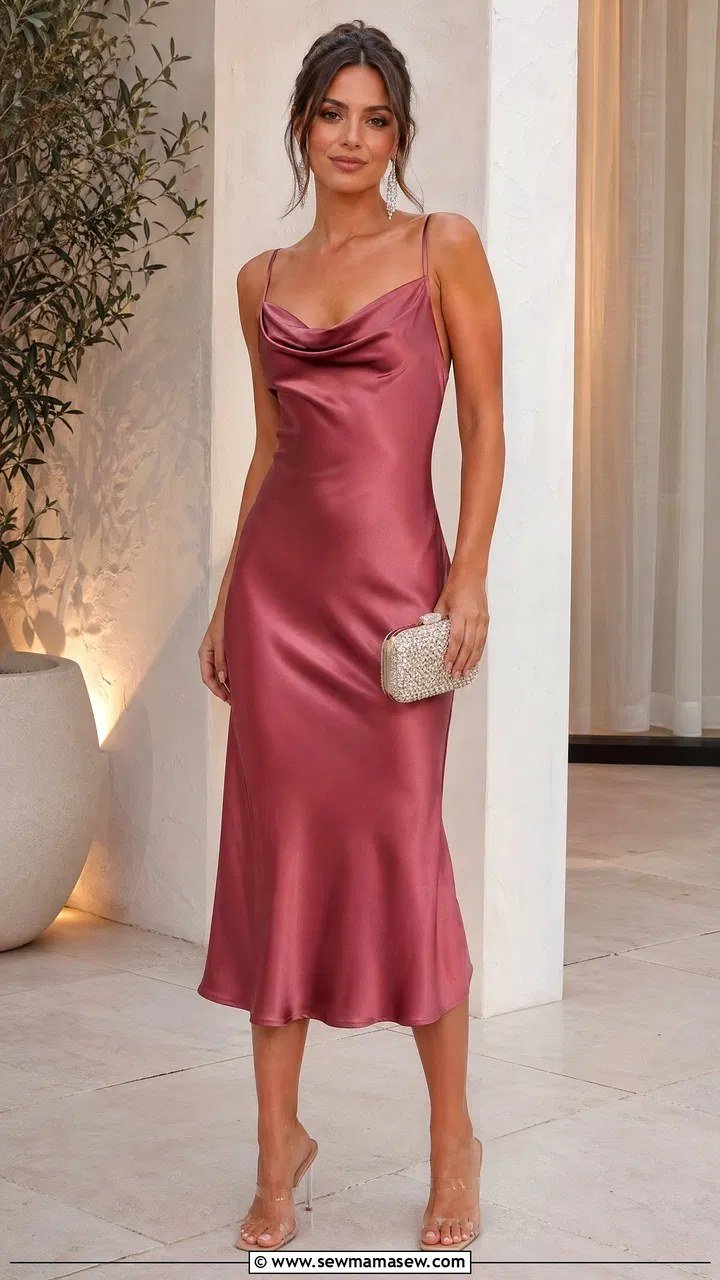
I want to reframe what should I wear to a summer wedding as a guest for you, because the usual framing is broken. It’s not about impressing strangers or following trends — it’s about feeling like yourself on your best day, more often. When your clothes line up with who you are, everything gets easier: mornings, meetings, photos, all of it. That’s the real prize here, not compliments (though those are nice too). Let’s focus on building that alignment, practically and affordably.
One more thing: trends are entertainment, not instructions. Enjoy them, borrow from them, but don’t build your wardrobe on them. The pieces you’ll wear for years — the ones that earn their cost-per-wear — are almost never the trendy ones. Build your foundation on classics that suit you, then sprinkle in trend pieces cheaply if the mood strikes. Your wallet and your closet will both thank you.
The Honest Answer to: What should I wear to a summer wedding as a guest
Here’s what experience taught me: confidence is the actual outfit. The same clothes read completely differently depending on how the wearer carries them. That doesn’t mean ‘just be confident’ — useless advice — it means the goal is clothes that make confidence easy. When something fits right and feels like you, you stop fidgeting and second-guessing, and that ease is what people register as style. Chase the feeling, not the look.
A note on expectations: developing your eye takes a little time, but less than you’d think. Give it a month of deliberate attention — noticing what you like, trying combinations, taking a quick mirror photo before you leave. That photo habit is gold, by the way; the camera shows you what the mirror hides. Within weeks you’ll start seeing patterns in what works. Style is pattern recognition, and you’re training it every time you get dressed with intention.
If you want to go deeper, fashion and lifestyle advice from Good Housekeeping and style coverage at Vogue are both solid next stops — reputable sources worth bookmarking alongside this guide.
Why This Is Worth Getting Right
The deeper truth: personal style is self-knowledge made visible. Figuring out what suits you — your colors, your proportions, your vibe — teaches you to trust your own eye in other areas too. It’s a small arena for practicing the bigger skill of knowing yourself and acting on it. That sounds grand for a topic about clothes, but I’ve watched it happen: the clarity starts in the closet and spreads.
What Actually Works in Real Life
Time for action. None of this requires a big budget — just attention and a little honesty:
- Build around a simple color palette. Pick two neutrals and one or two accent colors you love. Everything mixes, getting dressed takes seconds, and you always look coordinated. This is the quiet secret of effortlessly stylish people.
- Learn your actual measurements and sizes across brands. Sizes are meaningless — vanity sizing made sure of that. Know your numbers, and online shopping stops being a gamble.
- Experiment in low-stakes settings. Try the new combination on a regular Tuesday, not at the big event. Low pressure means honest feedback from yourself about what feels right.
- Learn basic care and maintenance. A steamer, a lint roller, shoe polish, and knowing when to wash things — maintenance is what separates ‘nice clothes’ from ‘nice outfits.’ Looking polished is mostly just looking cared-for.
- Do the closet audit first. Try on everything, keep what fits and feels like you, and be ruthless with the rest. You can’t build good outfits from a closet full of maybes. This single afternoon of work clarifies everything that follows.
- Don’t skip grooming. Hair, nails, skin — the frame around the outfit matters enormously. You can wear simple clothes and look fantastic if the grooming is on point; the reverse is rarely true.
Mistakes That Get in the Way
Save yourself the learning curve. Here are the traps to sidestep:
- Copying someone else’s style wholesale. Inspiration is great; imitation usually misfires because their body, coloring, and life differ from yours. Steal principles, not outfits.
- Keeping clothes that don’t fit ‘just in case.’ They take up space, guilt you daily, and never get worn. Release them — your closet should be a toolbox, not a museum of intentions.
- Forgetting comfort. If you’re tugging, adjusting, or counting the minutes until you can change, the outfit has failed no matter how it photographs. Comfort isn’t the enemy of style — it’s a prerequisite.
- Confusing expensive with good. Price and quality correlate loosely at best. A $40 well-made basic beats a $200 logo piece with bad proportions every time. Judge the garment, not the tag.
- Neglecting tailoring. Off-the-rack is cut for an imaginary average person. Small alterations make clothes look custom, and they’re far cheaper than buying up a price tier.
Quick Answers to Common Follow-Ups
How do I develop my own taste faster?
Save everything you like, then study the patterns. After a month, your saved photos will reveal your actual preferences — colors, silhouettes, vibes — more honestly than any quiz. Then buy toward the pattern, not toward random attraction. Taste is just pattern recognition plus courage.
What about sustainable and ethical concerns?
The most sustainable garment is the one you wear for years, so longevity is the greenest choice you can make. Buy less, choose well, care for what you own, and consider secondhand for trend experiments. You don’t need perfection here — just better defaults than fast-fashion impulse cycles.
What if my body doesn’t match ‘standard’ sizes?
Then you’re gloriously normal — standard sizes fit almost nobody perfectly. That’s what tailors are for, and why knowing your measurements matters more than knowing your ‘size.’ The best-dressed people in any room are usually the ones whose clothes were adjusted, not the ones with the easiest bodies to fit.
The Bottom Line
If there’s one takeaway here, it’s this: what should I wear to a summer wedding as a guest rewards attention, not spending. The people who look best aren’t the ones with the biggest budgets — they’re the ones who learned their fit, their colors, and their patterns, then applied them consistently. Do the audit, learn your numbers, build around what works. Style is a skill, and like any skill, it responds to practice. Start practicing today.
Keep exploring on SnapNews24: What are the Best Sunglasses for a Round Face Shape and What should Men Wear to Look Taller and Slimmer and Is it Worth Investing in Expensive Designer Shoes.