A home inspection is a few hours of professional suspicion bought before the largest purchase of your life. Its value lies less in the report than in knowing which pages of it matter. Reports are long because a house is long: hundreds of parts, each with a condition, an age and a consequence if it fails. A buyer who reads every page with equal alarm will either panic over paint or miss the one finding that should change the price. The skill is sorting. Safety and structure come first, water comes close behind, the working systems come next, and cosmetics come last, if they matter at all. What follows sorts an inspection into that order and shows how to use it while there is still time to act.
What an Inspection Is and Is Not
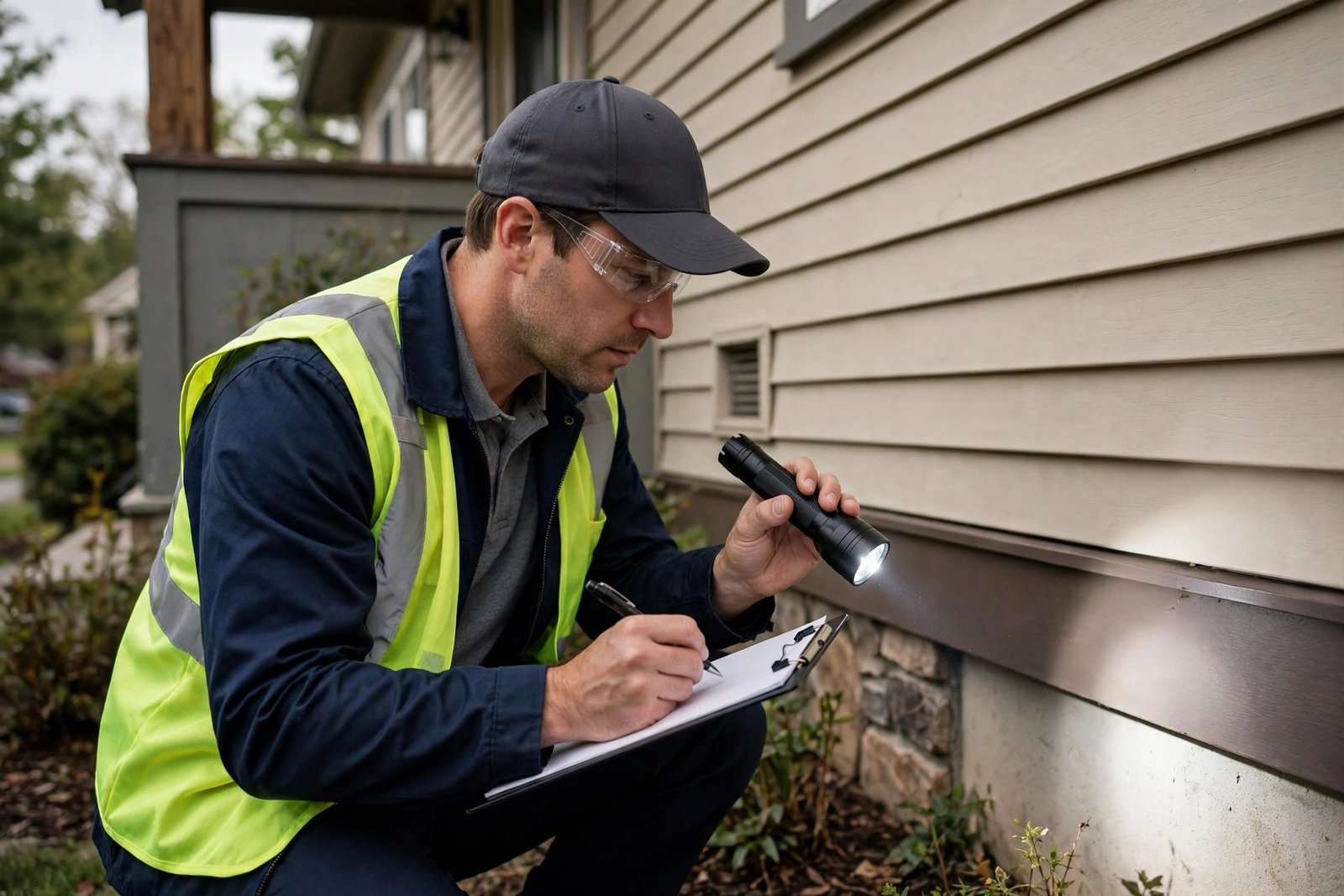
An inspection is a visual, non-invasive examination of a home by a professional whose only client is the buyer. The inspector looks at what can be seen and reached without opening walls, lifting floors or dismantling equipment, runs the systems that can be run safely, and records defects, wear and risks in a written report with photographs. It costs a few hundred dollars in most cases, a modest sum set against the size of the purchase it protects. In the sequence of buying, the inspection sits between the offer and the final commitment, which is exactly why it carries weight: its findings arrive while the buyer can still negotiate, ask for repairs, or leave under the inspection contingency. A clear account of buying your first home shows where that pause belongs and what depends on using it well.
What an inspection is not matters just as much. It is not a guarantee that nothing is wrong, because hidden defects can sit behind finished surfaces where no visual check can reach. It is not a pass or fail verdict, because the inspector reports conditions and the buyer decides what they mean. It is not a repair service, a valuation, or a promise about how long any part will last. An honest home inspection describes the home as it stands on the day, notes where age and wear are visible, and flags where a specialist should look deeper. Choosing the inspector deserves care of its own: hire independently, favour experience with homes of similar age and build, and be present during the visit if the inspector allows it. Walking the home alongside the professional teaches where shutoff valves, panels and access points are, and turns the report from an abstract list into a map of a real building.
Structure, Roof and Water: The Expensive Three
Foundation and structure carry the home, and defects here cost real money because the work is heavy, specialised and rarely optional. The inspector studies walls, floors and frames for movement: cracks that suggest settlement, floors that slope, doors and windows that no longer sit square, and supports that show rot, strain or poor alteration. Not every crack is a crisis. Homes settle, materials shrink, and fine surface cracks are part of ordinary ageing. The findings that matter are the ones showing ongoing movement, water driving the damage, or a structure that has been cut or weakened by careless changes. Those belong in front of a structural specialist before any commitment, because the cost of putting them right shapes whether the purchase makes sense at all.
The roof and water belong together, because the roof exists to keep water out and water is the force that quietly ruins homes. Roof covering near the end of its life, damaged flashing around chimneys and joints, blocked or poorly run gutters, and signs of past leaks in the space below the roof all point the same way: water has either entered already or soon will. Inside, staining on ceilings, damp at the base of walls, musty smells, and ground outside that slopes toward the house rather than away from it extend the story. Drainage and grading are unglamorous and decisive. A home that sheds water away from its foundations protects its own structure, while a home that collects water against its walls is buying trouble on a slow schedule. Of the expensive three, water is the one to chase hardest, because it feeds the other two and turns small defects into large ones when it is left alone.
The Systems: Plumbing, Electrical, Heating and Cooling
The working systems decide daily comfort and a large share of running costs. For plumbing, the inspector runs taps and showers, checks pressure and drainage, looks for leaks under sinks and around baths, and notes the age and condition of the water heater. Slow drainage, corrosion on old pipework, stains beneath fittings and evidence of past escapes all deserve attention, because water damage from a small, steady leak can rival the harm of a dramatic burst. Supply pipes of an age or material known for failure should be named plainly in the report, since replacing them is a planned expense the buyer needs in the budget from the start rather than a surprise in the first year.
Electrical findings divide into safety and convenience, and safety rules. A panel that is damaged, overloaded or altered without care, exposed or amateur wiring, missing protection in kitchens and bathrooms, and evidence of overheating are stop-and-ask items that a qualified electrician should judge. Heating and cooling systems are assessed for age, condition and basic operation: does the system start, run and respond as it should, and has it been maintained or left to drift? The phrase end of service life in a report is a budgeting signal, not a death sentence. It means a system is old enough that replacement should be planned and priced, even if it works on the day. A buyer who treats that phrase honestly can negotiate with it, save toward it, and avoid the shock of treating an expected replacement as an emergency.
What a Standard Inspection Leaves Out
A standard inspection has edges, and knowing them prevents false comfort. Anything hidden behind walls, below ground or inside sealed equipment sits outside a visual examination. Several important checks are commonly separate services rather than part of the standard visit. Testing for radon, a naturally occurring gas that can build up indoors in some areas, is a separate and commonly added test, ordered on its own terms and timescale. Sewer-line scoping with a camera, inspection for wood-destroying pests, checks of chimneys and flues beyond a basic look, and testing of wells or private drainage systems also sit outside the usual scope. Each is worth considering on its own merits, especially in older homes or where local conditions make a particular risk more likely.
The honest boundary is simple: an inspector reports what is visible and accessible, and says clearly where the examination stopped. A good report names its own limits rather than hiding them. Where the inspector recommends a specialist, treat that recommendation as part of the finding, not as an optional extra to be waved away under time pressure. The cost of a focused second look is small against the cost of buying the defect it would have found. Buyers should also remember that a home can be sound and still hold surprises; no inspection of any kind removes all uncertainty from an existing building. The aim is not certainty. The aim is to remove the large, knowable risks before the money moves, and to enter ownership with a clear list of what needs watching.
Using the Report: Renegotiate, Repair or Walk Away
The report is a negotiation tool, and like any tool it works best in the right order. Safety findings come first: anything that endangers occupants, from faulty wiring to a failing structure, outranks every other item. Structural and water findings come next, because they are costly and tend to worsen. Systems at the end of their working life follow, as matters of price and planning. Cosmetic items come last, and a request crowded with small cosmetic demands weakens the serious asks standing beside them. Sellers respond better to a short list of material defects, supported by the report, than to an attempt to have the home made new at their expense.
Three exits remain open while the contingency lasts. The buyer can proceed as agreed, accepting the findings and the budget they imply. The buyer can renegotiate, asking for repairs before completion, a credit toward the work, or a change in price that reflects the real defects. Or the buyer can walk away within the terms of the contingency when the findings cross a line decided in advance. That line is worth setting calmly before the inspection, while no attachment to the home has had time to argue. A long list of small defects is normal in any lived-in home and is not, by itself, a reason to leave; homes are used buildings, and wear is the record of that use. The report has done its job when the buyer knows which findings are wear, which are warnings, and which are the rare findings that should change the deal.
Keeping the report after the purchase completes the job the inspection started. The findings that were too small to negotiate over do not vanish; they become the maintenance list for the first years of ownership, in the order the inspector’s priorities suggested. Work through that list gradually, keep receipts and notes with the report itself, and revisit the items marked for monitoring, because a defect described as stable deserves a fresh look once seasons have passed. Used that way, the inspection keeps protecting the purchase long after the negotiation it informed has been forgotten.