
Equity is the quiet wealth hiding inside an ordinary mortgage payment — and the homeowners who build it fastest are not richer, just more deliberate about a handful of levers. Every payment already buys a slightly bigger stake in the home, because a portion of it reduces the balance owed while the rest covers interest and other costs. Left alone, that process works, but slowly, especially in the early years when interest takes the largest share. The seven moves below accelerate it, ranked by impact, and they reward stacking rather than trickery. No single move transforms a mortgage overnight. Several moves working together, held steady across years, change the picture in a way that surprises even careful savers.
Think of equity as the distance between what the home is worth and what is still owed on it. That distance can grow from three directions at once. The balance can fall faster, the value can rise through wise care and wise improvements, and costly extras that add nothing can be removed. The moves that follow touch all three directions, and the order matters, because the payment moves come first for a reason. They are available to almost every homeowner, they begin working immediately, and they fund or strengthen nearly everything else on the list.
Move One: Make extra principal payments, the highest return move available to most owners. Early in a loan, interest is at its heaviest, so extra money aimed at principal in those years does outsized work, shrinking the balance that future interest is charged on. Tell the servicer in writing that every extra amount goes to principal, and confirm that understanding rather than assuming it, since an extra payment applied the wrong way loses its power. Check as well that the loan carries no prepayment penalty, so ambition is never punished. The biweekly rhythm is a gentle way to build the habit, paying half the usual amount every two weeks, which quietly adds up to thirteen payments a year instead of twelve, in other words one whole extra payment annually that most households barely feel. Discipline still matters more than size. A modest extra paid steadily beats a heroic extra paid once and abandoned. Protect the rest of the financial house while doing this. Never stretch so thin that emergency savings starve or costlier debt goes unpaid, because expensive card debt outranks cheap mortgage debt every time. For readers who want to model the mechanics before committing, the Consumer Financial Protection Bureau offers clear amortization explainers that show how a payment splits and how extras change the path of a loan.
Move Two: Buy below your maximum, because the fastest equity is the kind you start with. A buyer approved for a large loan who chooses a sensibly priced home instead begins with a smaller loan against a home of real value, and that gap is a cushion present from the very first day. The smaller payment then frees cash each month, and that freed cash can feed the extra principal habit of the first move, so the two moves compound each other quietly. The cushion also changes how a market dip feels. In a home bought at the very edge of affordability, a softening market can become a crisis, with the balance sitting above the value and every option narrowing. In a home bought with restraint, the same dip is a paper fluctuation, noticed in a headline and forgotten by dinner. This move is decided once, at purchase, yet it shapes every year that follows, which is why it ranks so high despite asking for no ongoing effort at all.
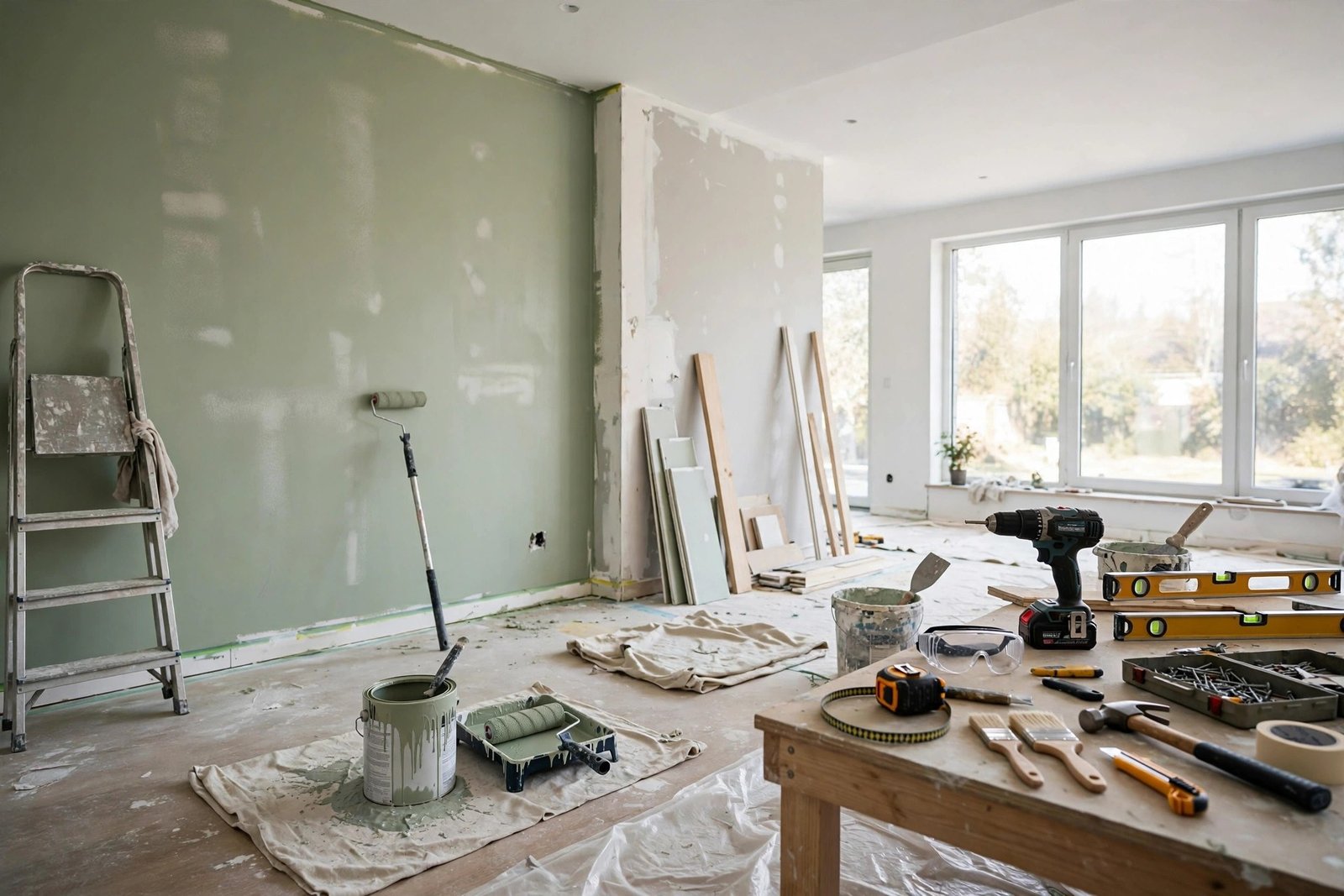
Move Three: Improve strategically, remembering that only projects which add more value than they cost truly build equity. The consistent winners in cost versus value comparisons are the unglamorous ones. A minor kitchen refresh that updates surfaces and hardware without gutting the room, a new garage door, stone veneer on the front, and a new entry door all punch above their cost because buyers notice them instantly and appraisers can support them. Energy upgrades deserve special attention because they pay twice, lowering bills now while lifting appraised value later, and the guide to the best energy-efficient upgrades for older homes helps sort which projects appraisers actually credit. Big ticket maintenance works differently. A sound roof, for example, protects value rather than adding glamour, preventing the discount a failing roof invites. Luxury overhauls far above the standard of the street run into a hard ceiling, because appraisals anchor to neighboring sales, and a palace among modest homes will not be valued as a palace. This is also the right place to ground the term itself, since understanding home equity, defined properly as the owner’s real stake after debts, keeps improvement decisions tied to value rather than to taste alone.
Move Four: Kill the mortgage insurance early, because private mortgage insurance builds zero equity while costing real money month after month. The standard thresholds are worth learning in plain words. A borrower may request cancellation when the balance reaches eighty percent of the home’s original value, and the insurance falls away automatically when the balance reaches seventy-eight percent of that original value. Extra principal payments pull both of those days closer, sometimes by years. Appreciation can shorten the wait further. If the home has risen in value, a fresh appraisal based on current value may show the twenty percent stake already reached, allowing the insurance to end well ahead of the original schedule. Some loans impose a minimum seasoning period before such a request is honored, so the loan terms deserve a careful read. Reading more about private mortgage insurance and how it ends helps an owner ask the servicer the right questions at the right time. Every month without that premium is a month where the same household budget can push harder against principal instead.
Move Five: Refinance strategically, treating a new loan as a tool rather than a trophy. A lower rate redirects more of the same monthly payment away from interest and toward principal, which means equity grows faster without the household feeling any richer or poorer. The catch sits in the closing costs, which are real money spent up front for savings that arrive slowly. A refinance only wins when the owner will hold the loan past the break even point, the moment when the monthly savings have repaid those costs. Selling or refinancing again before that point turns the move into a loss dressed as a gain. The honest way to judge it is to lay the costs, the new payment split, and the likely years in the home side by side, then decide with patience. Done at the right moment and held long enough, this move quietly speeds every payment that follows it.
Move Six: Rent out space, and let the home help pay for itself. A spare room taken by a lodger, a basement arranged as a small unit, or even garage space rented for storage can produce income steady enough to fund the entire extra payment strategy on its own. This approach, often called house hacking, turns the home into an equity machine, because money that would have come from the household budget instead arrives from the property itself. The cautions are practical rather than discouraging. Check local rules on rentals and any homeowners association restrictions before advertising anything, and be honest about the trade in privacy and quiet that a tenant brings. For the right household at the right stage of life, especially early in ownership when the balance is highest and interest is heaviest, this move can change the speed of everything else on the list.
Move Seven: Stay put and let time work, the unglamorous truth that closes the list and quietly outperforms many clever schemes. Steady amortization reduces the balance month after month whether the owner thinks about it or not, and modest appreciation across the years lifts the value side of the equation at the same time. Together they build serious equity for owners who simply remain in place, pay consistently, and resist the urge to cash equity out for cars and holidays. The biggest equity builders are rarely the boldest traders. They are usually the ones who bought sensibly, paid without drama, and never treated the home as a cash machine. For long range grounding, the homeownership guidance from HUD is worth naming, since it speaks to sustainable ownership rather than quick wins. Time is the one lever no owner can buy more of, which is exactly why starting these habits early matters so much.
Track it like an investor
Equity grows best when it is watched, so give it a simple annual review. Once a year, set the home’s estimated value against the remaining balance and look at three things together. Watch your equity share, the portion of the home that is truly yours. Watch your equity in money terms, the stake expressed as an amount you can picture. And watch the direction of the loan to value balance, whether the debt is shrinking as a share of the home’s worth or creeping the wrong way. Trends matter more than any single reading, because a healthy direction held for years is the real prize.
Value the home with care when you do this review. Recent comparable sales nearby give the truest picture, since they show what buyers actually paid for similar homes. County assessor records offer another grounded reference, and an agent’s comparative analysis can pull the evidence together into a reasoned estimate. Automated online estimates are a starting point at best, useful for a first glance and dangerous as gospel, since they can swing widely without any real change in the home or the street. Using a grounded value keeps the review honest, and honest numbers make the next decision, whether that is ending insurance, refinancing, or simply holding course, far easier to get right.
Remember that equity can be lost as well as built. Falling values can shrink it from the outside, and borrowing it back out shrinks it from the inside, turning ownership into fresh debt. Protect it like the wealth it is. The owners who finish with the most equity are seldom the ones who chased it hardest in any single year. They are the ones who stacked sensible moves, tracked the result with clear eyes, and let patience do the heavy lifting that patience does best.