
Older homes are energy sieves — built before insulation standards, with leaky envelopes and ancient systems. But that inefficiency is opportunity: the right upgrades in the right order can cut energy bills 30-50 percent, and some pay for themselves in under two years.
Here’s the priority order that energy auditors actually recommend — not the sexy upgrades, the effective ones.
What Are the Best Energy-Efficient Upgrades for an Older Home? Air Seal First
Air sealing is the undisputed number one: cheapest ($200-$500 DIY, $1,000-$2,500 pro), fastest payback (1-3 years), and it makes every other upgrade work better. The average older home leaks like a sieve around the attic plane, rim joists, windows, doors, and penetrations. Seal the big leaks and you’ve done the highest-ROI energy project in existence.
Get a home energy audit first — many utilities offer them for $100-$300 or free. The blower-door test quantifies your leakage and the infrared camera shows exactly where. It’s the difference between guessing and knowing, and it typically identifies $500-$2,000 in annual savings opportunities. Some auditors’ recommendations literally pay for the audit 10 times over.
The DIY-accessible wins: weatherstrip doors and attic hatches, caulk window/door frames, seal plumbing and electrical penetrations in attic and basement with caulk or foam, add door sweeps. A weekend and $100 in materials captures most of the low-hanging fruit. Our winterizing guide details the full air-sealing checklist.
Insulation: The Second Priority
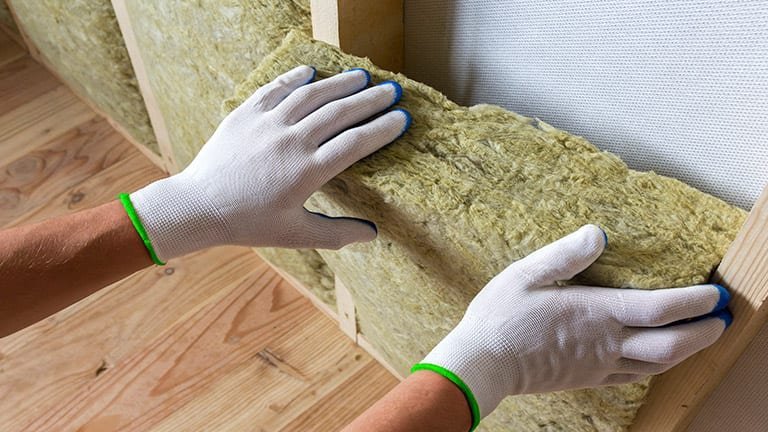
Attic insulation to R-38 or R-49 is upgrade number two — heat rises, and older homes often have 3-4 inches of ancient insulation (or none). Blown-in cellulose over existing insulation runs $1,500-$2,500 for most homes, pays back in 2-5 years, and immediately improves comfort. If you can see joists, you’re under-insulated — full stop. Our attic insulation guide has the complete math.
Wall insulation in older homes is trickier — blown-in cellulose or fiberglass can be installed through small holes without gutting walls ($2,000-$5,000 for a house), but knob-and-tube wiring must be addressed first (insulation over K&T is a fire hazard). Get the electrical assessed before insulating walls in pre-1950 homes. No exceptions.
Basement/crawlspace: insulate rim joists (the wooden framing where the house meets the foundation — a massive leak point) with rigid foam or spray foam, and consider insulating basement walls if the basement is conditioned. An uninsulated basement is a giant heat sink under your floors — insulating it makes first floors noticeably warmer.
Systems: HVAC, Water Heating, and Beyond
If your furnace or boiler is 20+ years old, replacement is the big-ticket upgrade with the biggest absolute savings — old systems run 60-70 percent efficient versus 95%+ for modern condensing units. A new system ($5,000-$12,000) plus available tax credits can cut heating costs 25-40 percent. Don’t replace at emergency-failure pricing in January; plan it.
Heat pumps are the upgrade to seriously evaluate: they heat AND cool at 200-300 percent efficiency (they move heat rather than making it), work in cold climates now (cold-climate models to -15°F), and qualify for up to $2,000 in federal tax credits. In many older homes, a heat pump replacing both an old furnace and window ACs is the single best mechanical upgrade available.
Water heating is 15-20 percent of energy bills: insulate the tank and pipes ($50, immediate), lower to 120°F, and when replacing, consider a heat-pump water heater (2-3x more efficient than standard electric, $1,500-$2,500 with credits). Also: a smart thermostat ($100-$200 after rebates) optimizes whatever system you have — it’s the cheapest ‘systems’ upgrade.
- 1. Air sealing: $200-500 DIY, 1-3 yr payback (do FIRST)
- 2. Attic insulation to R-38/49: $1,500-2,500, 2-5 yr payback
- 3. Smart thermostat: ~$150 after rebates, ~1 yr payback
- 4. HVAC/heat pump upgrade: biggest absolute savings
- 5. Water heater + pipe insulation: $50, immediate returns
- 6. Windows: comfort + value, but slow energy payback
Windows, Lighting, and the Long Tail
Windows rank lower on pure payback (15-25 years) but deliver comfort and resale value that the math misses — no more drafts, no more plastic film, quieter rooms. If windows are failing (fogged seals, rotting frames), replacement jumps up the priority list. Otherwise, do the cheap window measures (caulk, film, storms) and spend the big money on insulation first. A window replacement cost guide has the current numbers.
Lighting: if you still have incandescents anywhere, LED swap is the fastest payback in the house — bulbs pay for themselves in months. It’s 2026; this should be done already, but check closets, basements, and garages where old bulbs hide. Smart power strips for entertainment centers kill phantom loads too.
Appliances: replace the ancient energy hogs first — a 1990s refrigerator uses 2-3x the energy of a modern one. But don’t replace working efficient appliances early for energy reasons alone; the payback rarely supports it. When appliances die naturally, buy ENERGY STAR. The ENERGY STAR home improvement guide and the DOE Energy Saver site have calculators for every upgrade here.
Financing and Incentives: Paying Less for Upgrades
Don’t pay full price — the incentive landscape for energy upgrades is the richest it’s been. The federal 25C tax credit covers 30 percent (up to $1,200/year) for insulation, air sealing, and efficient HVAC; heat pumps get up to $2,000. These are tax credits (dollar-for-dollar tax reduction), not deductions — significantly more valuable. Check current IRS guidance, as specifics evolve.
Utility rebates stack on top: many utilities offer $500-$2,000+ for insulation, $50-$150 for smart thermostats, and hundreds for efficient HVAC. Some run direct-install programs (free basic weatherization for qualifying households) or discounted energy audits. Check your utility’s website before starting any project — the rebates often require pre-approval, and doing work first can disqualify you.
Financing options: many states offer low-interest energy loans (often 0-3 percent) specifically for efficiency upgrades; PACE financing attaches to property tax in some areas; and standard HELOCs work for bigger projects. The math that matters: monthly energy savings versus monthly payment — many upgrade packages are cash-flow positive from month one when financed right. Get the audit, claim the incentives, finance smart, and let the savings pay for the work.
The Priority Stack
Audit first, air-seal second, insulate the attic third, optimize with a smart thermostat fourth, then tackle HVAC and water heating as systems age. Windows and appliances come last on energy payback (but matter for comfort and value). Follow this order and an older home goes from energy sieve to efficient comfort — with each upgrade making the next one work better.