
It’s 3:30 p.m. You’re hungry, the vending machine is humming, and your good intentions are fading. Knowing the healthiest snacks to eat between meals isn’t about willpower — it’s about having the right options ready before hunger makes the decision for you.
The best snacks share a formula: protein and/or fiber plus something you actually enjoy. Here’s what works.
What Are the Healthiest Snacks to Eat Between Meals? The All-Stars
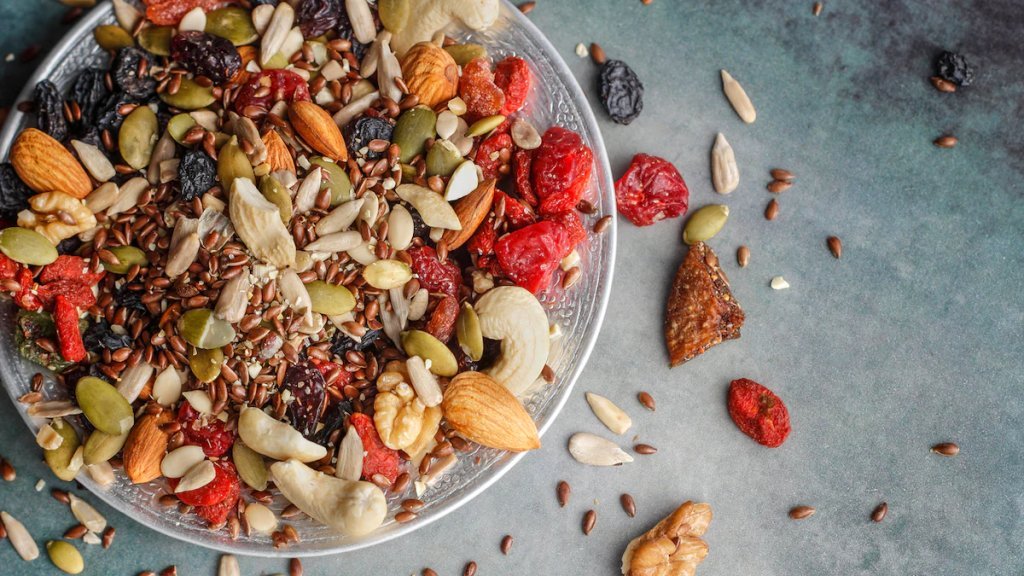
Greek yogurt with berries leads most dietitians’ lists: high protein (15–20g), probiotics, genuinely satisfying, endlessly customizable. A handful of nuts (almonds, walnuts, pistachios) — calorie-dense so portion matters (a small handful, not the bag), but rich in healthy fats, protein, and fiber that crush hunger for hours. Apple slices with peanut butter: the fiber-fat-protein trifecta in its most delicious form. Hummus with vegetables: protein, fiber, and crunch satisfaction. Hard-boiled eggs: nature’s protein portion, portable and cheap.
The pattern: protein and fiber drive satiety — they’re what keep you full until dinner instead of hungry again in 40 minutes. Pure-carb snacks (chips, crackers, candy) spike blood sugar and crash it, creating the hunger-rebound cycle that makes 3:30 p.m. snacking feel out of control. You don’t need perfection; you need the snack to do its job — bridging to the next meal without derailing it. Keep the all-stars stocked and the decision makes itself. For the bigger weight-management picture, what is the Best Way to Quit Sugar Without Feeling Miserable connects snacking to overall strategy.
Snacks by Situation
Different moments need different snacks. Desk drawer stash: nuts, roasted chickpeas, protein bars (check sugar — many are candy in disguise), dark chocolate squares. Post-workout: chocolate milk, banana with peanut butter, or Greek yogurt — protein plus carbs for recovery. Sweet cravings: frozen berries, apple with cinnamon, a few squares of dark chocolate (70%+), or dates with almond butter. Savory cravings: popcorn (air-popped, lightly salted — a whole-grain bargain), roasted seaweed, pickles, or cheese with whole-grain crackers. Kids’ lunchboxes: the same principles apply — pair produce with protein.
- Protein + fiber is the satiety formula — prioritize both.
- Portion nuts: a handful satisfies; the bag doesn’t.
- Prep beats willpower: ready healthy options win every time.
- Match the craving: sweet vs. savory needs different answers.
Snacks to Limit (and Why)
Honest talk about the usual suspects. Chips and crackers: engineered for overconsumption (the “can’t eat just one” is food science, not weakness), offering little satiety per calorie. Candy and pastries: the spike-crash cycle that manufactures more hunger. “Healthy” impostors deserve special caution: granola bars with 15g sugar, flavored yogurts that are dessert, smoothies that are milkshakes in disguise, trail mix that’s mostly candy. Read labels — the health halo is marketing’s favorite trick.
None of this means never: the 80/20 approach (nourishing choices most of the time, treats without guilt some of the time) outperforms rigid restriction, which reliably backfires into binges. The goal is a snacking pattern that supports your energy and health, not snacking perfection. If you eat the cookies sometimes, enjoy them fully and move on — the stress about food is often worse than the food.
The Prep Habit That Changes Everything
The single highest-leverage snacking habit: a 15-minute Sunday prep. Wash and cut vegetables, portion nuts into bags, boil eggs, portion hummus into containers. When the healthy option is the easy option, you eat it; when it requires effort at 3:30 p.m., you don’t. This isn’t meal-prep influencer theater — it’s behavioral design. Hunger + convenience determines what you eat far more than knowledge or intentions. Engineer your environment and the “right” choice becomes the lazy choice, which is the only choice that sticks.
Mindful Snacking: The Psychology Piece
What you eat matters, but how you eat it matters too. Distracted snacking — handfuls from the bag while working — bypasses satiety signals; you consume far more than intended without satisfaction. The fix is simple: portion onto a plate or into a bowl, then put the package away. Eat without screens when possible; even a two-minute mindful pause improves satisfaction and reduces intake. Ask the hunger question honestly: am I physically hungry, or bored, stressed, or procrastinating? True hunger builds gradually and is satisfied by real food; emotional hunger arrives suddenly and demands specific comfort foods.
For emotional hunger, the snack isn’t the answer — a walk, water, five deep breaths, or addressing the actual emotion works better. This isn’t about food moralizing; it’s about matching the solution to the real need. Physical hunger deserves nourishing food. Everything else deserves its actual remedy. Learning the difference is the most valuable snacking skill of all, and it transfers to every other eating decision you make.
Stock your desk drawer this weekend: nuts, a few protein bars, dark chocolate. Fifteen minutes of prep now saves dozens of vending-machine decisions later. Your 3:30 p.m. self — hungry, busy, willpower-depleted — will thank you for making the healthy choice the easy one.
Protein plus fiber, prepped in advance, matched to your craving. That’s the whole game.
Start with one swap this week: replace your usual 3 p.m. snack with a protein-rich alternative. Notice the difference in how you feel at 5 p.m. — that’s the satiety formula working.
Hunger is information, not an emergency. Feed it well with protein and fiber, and it stops driving your decisions.
Prep on Sunday, snack smart all week. Your future self eats what your past self prepared.
The best snack strategy is boring and effective: keep good options within arm’s reach, match the snack to the craving, and don’t moralize the occasional treat. Do that consistently and snacking becomes a non-issue — just steady fuel between satisfying meals.
Snack Smart, Not Perfect
The healthiest snacks between meals combine protein and fiber in forms you enjoy — Greek yogurt, nuts, fruit with nut butter, hummus with vegetables, eggs. Prep them in advance, match snacks to cravings, watch for health-halo impostors, and allow treats without guilt. Snacking isn’t the enemy of healthy eating; mindless snacking is. A little preparation turns the 3:30 p.m. danger zone into just another well-fueled part of your day. For more practical nutrition guidance, how can I Improve my Business Credit Score Quickly and what is the Best Accounting Software for a One-person Business keep it going.
When you’re ready for more, Healthline nutrition delivers depth and the USDA’s MyPlate delivers clarity.