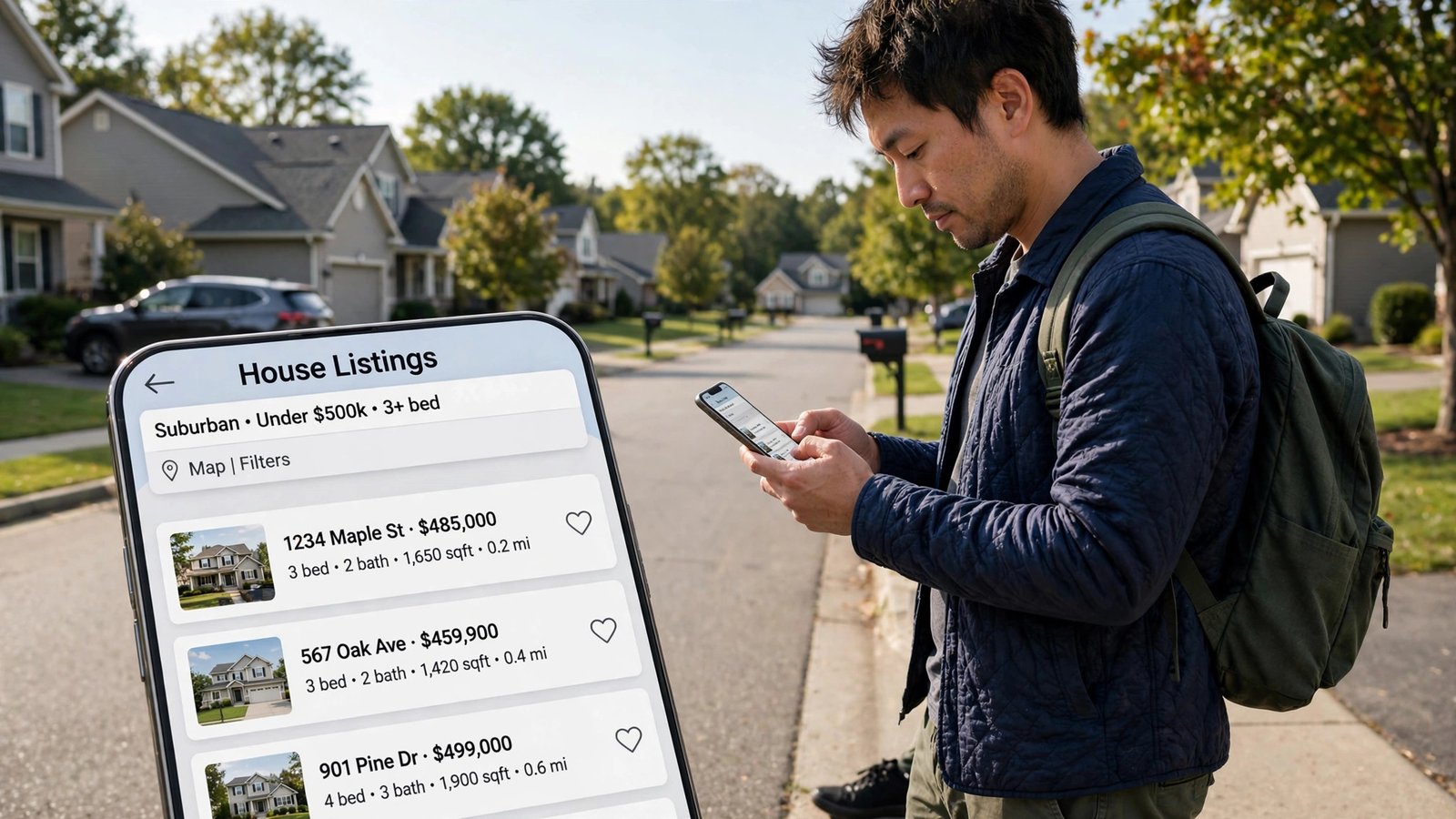
A top price is decided mostly before the first viewing: by the number on the listing, the photographs that carry it, and the week it reaches the market.
That timing surprises sellers who assume price is settled at the negotiation table, after offers arrive and agents argue. By then, most of the outcome has already been shaped. The listing price decided who noticed the home and how they judged it against its rivals. The photographs decided whether those buyers booked a viewing or scrolled past. The launch week decided how much urgency the first wave of interest carried. Negotiation still matters, and terms still matter, but negotiation works on the demand that preparation created. A home that enters the market priced with evidence, photographed with care, staged for the rooms buyers judge, and repaired where fear would otherwise grow simply gives its seller more and better offers to negotiate among.
The work falls into five moves, set out here as a checklist and then explained in turn.
Move 1: Price from the comparable sales, using recent evidence from similar homes rather than hope, memory, or the total spent on improvements over the years.
Move 2: Win the listing photographs, treating the phone screen as the first viewing and preparing every room and angle for the camera before the photographer arrives.
Move 3: Stage the rooms buyers actually judge, beginning with the entrance, living room, kitchen, and main bedroom, and depersonalize the rest so buyers can picture their own lives there.
Move 4: Fix only what frightens buyers, putting safety, water, structure, and smell ahead of taste, and leaving expensive renovations for taste out of the sale plan.
Move 5: Apply launch discipline, listing when buyers are looking, being ready for the first wave of viewings, and answering offers against a clear deadline rather than drifting.
The first move is pricing, and it deserves the longest look because no later excellence fully repairs a wrong opening number. Comparable sales are the evidence: homes like yours, in streets like yours, sold recently enough to reflect the market buyers are actually shopping in. An agent should show those comparables plainly, explain the adjustments made for size, condition, and position, and defend the suggested price from them. Where the evidence is thin, honesty about uncertainty is better than false precision. A price built that way can be explained to buyers, to their agents, and to a valuer later, which matters because a price that cannot be defended tends to be negotiated down twice, once by buyers and once by the mortgage process. Pricing and presentation are the two halves of the same first impression, which is why sound advice on how to stage your home to sell quickly belongs in the same conversation as the number itself rather than as decoration added afterward.
The temptations against evidence based pricing are familiar. A neighbor achieved a striking price in a different season for a home that only looks similar from the street. Money spent on a kitchen, a bathroom, or an extension feels as if it should return in full, although buyers pay for the result they want and not for the invoices behind it. An aspirational price feels safe because it can always be reduced, yet the market reads a reduction differently from how a seller intends it. A home that sits unsold teaches buyers to wait, to wonder what others have seen and rejected, and to open negotiations expecting further falls. Fresh listings attract the keenest attention, and spending that freshness on a price the evidence cannot support wastes the strongest week the sale will ever have. Pricing slightly with the evidence, in a way that invites competition rather than hoping for a single generous buyer, is usually the more confident act, because it trusts preparation and presentation to do the rest.
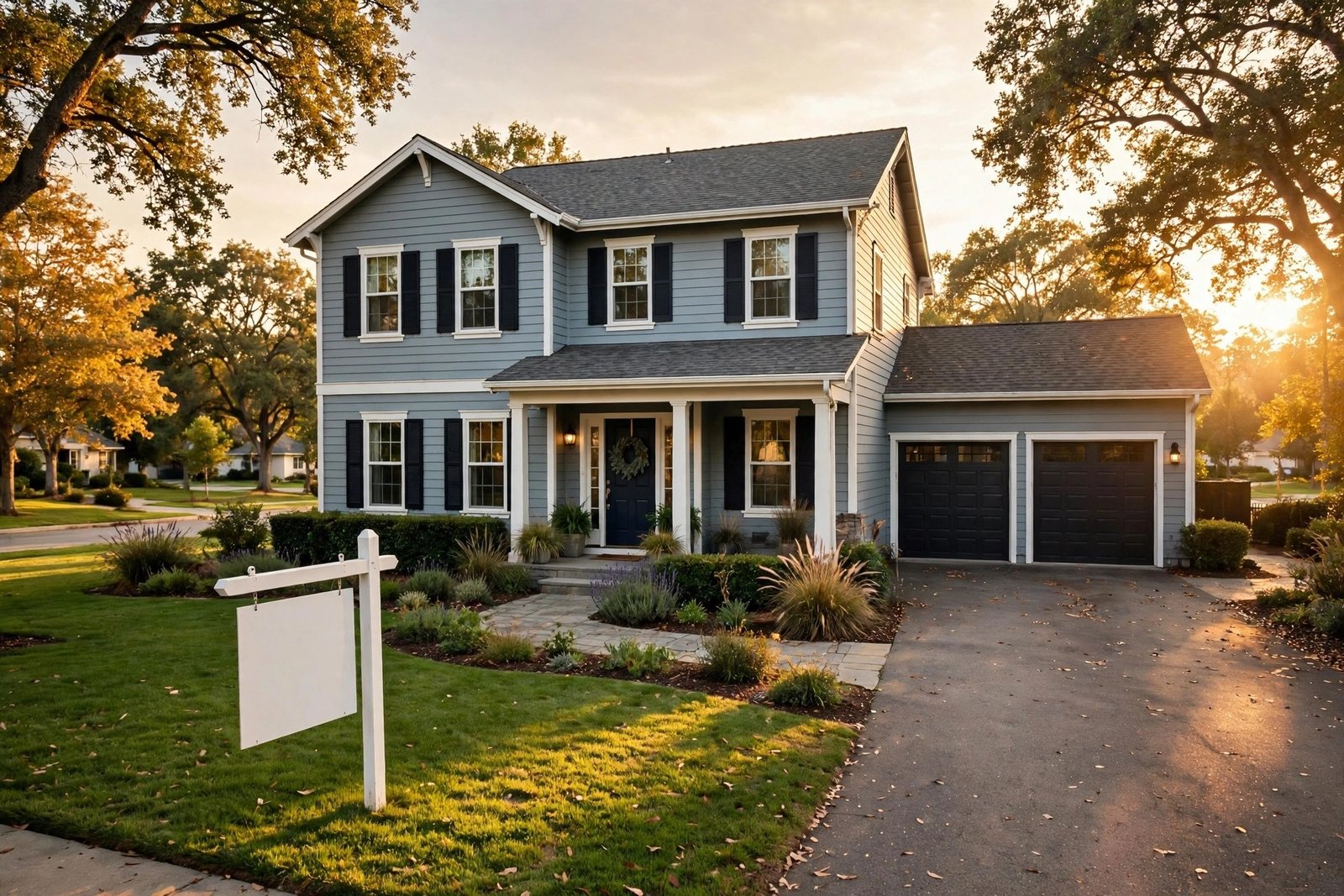
The second move is the photographs, and its premise is simple: the first viewing now happens on a phone screen, in a list of rivals, in a few seconds of attention. Professional photography is therefore not a luxury item but the medium through which the price is first justified. Prepare for the camera as seriously as for a viewing. Clear surfaces, open curtains, replace failed bulbs so rooms read evenly, hide bins and cables and everyday clutter, and make beds and seating look deliberate rather than lived around. Exterior shots need the same care, with cars moved, paths swept, and the entrance presented as a welcome rather than a storage area. Ask to review the photographs before the listing goes live, check that the best rooms lead the set, that no image shows a distorted or dingy version of a good space, and that the order tells a coherent story from entrance to garden.
Photographs travel through systems, and understanding that journey helps a seller take them seriously. Most homes reach buyers through the multiple listing service, the listing system through which details and images are shared with agents and fed onward to the portals and search sites where buyers actually browse. Errors and weak images in that feed are therefore multiplied everywhere at once. Check the listing text as carefully as the pictures: room counts, tenure, parking, garden direction, and key features should be accurate, specific, and free of claims that a viewing will contradict. A buyer who arrives already half sold by honest photographs and accurate details is the buyer most likely to offer well. A buyer who arrives feeling misled begins the viewing looking for reasons to discount, and usually finds them.
The third move is staging, which should be understood as editing rather than decorating. Buyers judge a small set of rooms most heavily: the entrance sets the emotional tone, the living room promises daily comfort, the kitchen carries the strongest sense of value and upkeep, and the main bedroom decides whether the home feels restful or cramped. Give those rooms the clearest purpose, the most light, and the least clutter. Remove excess furniture so movement through the room is easy and its size reads honestly. Define any awkward space with a simple use, a reading chair, a small desk, a dining setting, so buyers are not left to solve a puzzle the seller could have solved for them.
Depersonalizing is the other half of staging, and it is often the half sellers resist. Photographs, collections, bold personal objects, and evidence of very specific hobbies all remind buyers that the home belongs to someone else, at the exact moment they are trying to imagine it belonging to them. Pack those things early, since they will need packing anyway, and let the rooms become calmer and more general without becoming empty or cold. In its proper sense, home staging is a discipline of presenting a home to appeal to the widest likely buyers, not a hurried tidy up before the photographer arrives. That discipline includes scent and sound as well as sight: air the house, deal honestly with pet and cooking smells rather than masking them heavily, and keep the home at a comfortable temperature for viewings. Small signals of care accumulate, and buyers read them as evidence about the parts of the home they cannot see.
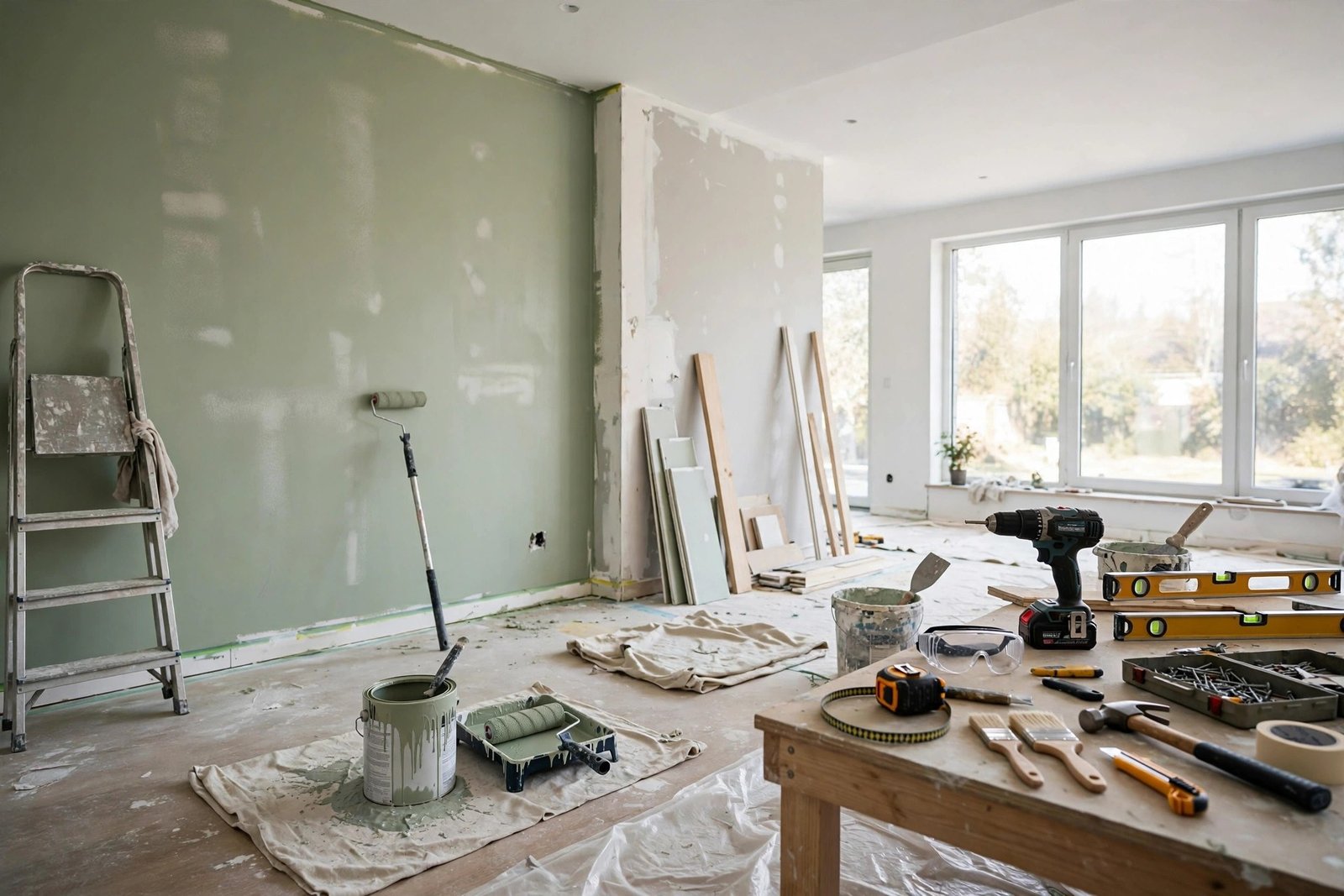
The fourth move is restraint about repairs and improvements. Fix what frightens buyers, because fear is expensive. Safety faults, active water ingress, structural concerns, faulty electrics, broken heating, and persistent damp smells do not merely invite a lower offer. They invite buyers to assume the worst about everything hidden and to price that assumption aggressively, or to walk away entirely. Those items, supported where needed by proper trades and honest paperwork, outrank any question of taste. Keep receipts, guarantees, and service records together and available, because documented care reassures surveyors and lenders as well as buyers.
What this move refuses to fund is equally important. Expensive renovations done purely for the sale, a new luxury kitchen, a rebuilt bathroom, a fashionable extension, rarely repay themselves in the final price, because buyers discount work chosen to another person taste and because the neighborhood itself sets a ceiling on what any single home can command. Taste based spending also delays the launch, and delay spends the freshness that pricing and photographs depend on. The better test for any proposed job is narrow: will this fault frighten a buyer, fail a survey, or appear in every photograph? If the answer is yes, deal with it properly. If the answer is that the work would merely reflect a preference, leave it, price honestly around it, and let the buyer spend their own money making the home theirs after completion.
The fifth move is launch discipline, and it turns preparation into momentum. List when buyers in your local market are actively looking, which your agent should be able to describe from current inquiry and viewing patterns rather than from habit, and be completely ready before the listing goes live. Ready means photographs approved, details checked, paperwork gathered, the home staged, and viewing access arranged so the first wave of interest can be seen promptly while enthusiasm is warm. A launch that dribbles out, with viewings postponed and questions answered slowly, teaches the market the same lesson as an overpriced listing: that the sale is not serious and waiting will be rewarded.
Offer handling belongs to this same discipline. Set a clear point by which offers will be reviewed, communicate it evenly, and judge each offer on its whole terms rather than on its headline number alone. A slightly lower offer from a buyer with finance firmly arranged, a short and workable chain, and flexible dates may be worth more in practice than a higher offer built on uncertain borrowing and a long chain that can collapse weeks later. Ask for the evidence behind offers, proof of funds or finance agreement in principle, chain position, and any conditions, before treating a number as real. Respond on the deadline promised, neither drifting in hope of a late miracle bid nor snapping at the first approach out of anxiety. A seller who has priced from evidence, photographed honestly, staged the rooms that matter, repaired what frightens, and launched with discipline has earned the right to be calm at this stage, because the top price was pursued in the only place it is truly decided: before and during the first wave of attention, when the market was watching most closely.