
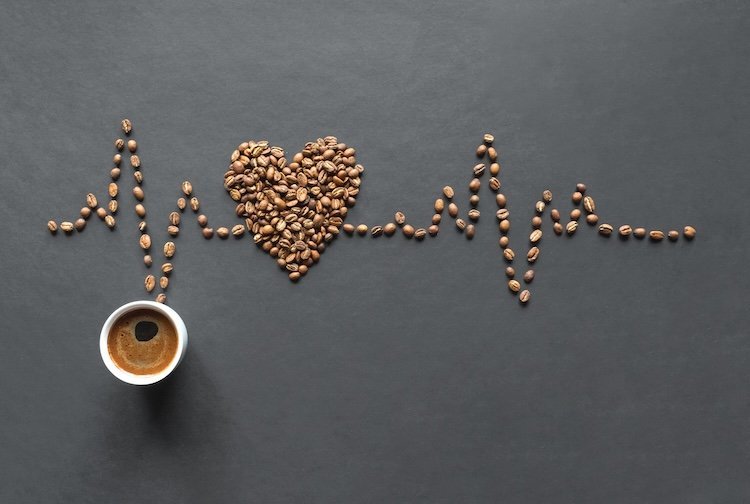
Your morning cup: heart-healthy habit or cardiovascular risk? The question of whether coffee is actually bad for your heart has been studied for decades, and the answer has shifted dramatically — from suspicion to something approaching endorsement.
Here’s what the large, long-term studies actually found.
Is Coffee Actually Bad for Your Heart? What the Research Says
The headline finding surprises coffee-guilt sufferers: large observational studies consistently associate moderate coffee consumption (2–4 cups daily) with neutral to beneficial cardiovascular outcomes — including slightly lower risks of heart failure, stroke, and cardiovascular mortality compared to non-drinkers. This isn’t one quirky study; it’s a pattern across millions of participants in multiple countries. The association holds for both caffeinated and decaf, suggesting the benefits come from coffee’s compounds (antioxidants, anti-inflammatory polyphenols), not just the caffeine.
But association isn’t causation, and coffee drinkers differ from non-drinkers in many ways researchers try to adjust for. The responsible interpretation: moderate coffee consumption is very unlikely to harm your heart and may modestly help — but nobody should start drinking coffee for heart health, because the benefit is small and the confounders are real. If you already enjoy it, the evidence says relax. The blood pressure angle is covered in what are the Pros and Cons of Running a Business with a Partner — caffeine’s pressure effects are real but usually transient.
The Nuances: Who Should Be Careful
Individual variation matters enormously. Slow caffeine metabolizers (genetic variants affecting the CYP1A2 enzyme) may face higher cardiovascular risk from heavy coffee intake — a real gene-coffee interaction documented in studies. People with uncontrolled hypertension, certain arrhythmias, or severe anxiety may be sensitive to caffeine’s stimulant effects regardless of genetics. Pregnancy calls for limits (generally under 200mg caffeine daily). And the dose makes the poison: 2–4 cups is the studied sweet spot; 8+ cups daily, especially of strong brews, is a different proposition with less reassuring data.
- 2–4 cups daily: associated with neutral-to-beneficial heart outcomes.
- Genetics matter: slow metabolizers face different risk profiles.
- Watch out if: uncontrolled hypertension, arrhythmias, pregnancy, anxiety.
- It’s the pattern: moderate, regular consumption — not extremes.
Beyond Caffeine: What’s Actually in Your Cup
Coffee is a complex chemical cocktail — over a thousand compounds — and caffeine gets disproportionate blame and credit. Chlorogenic acids (antioxidants with anti-inflammatory effects), diterpenes (cafestol and kahweol — mostly filtered out by paper filters, present in French press and espresso), trigonelline, and melanoidins all contribute to coffee’s biological effects. The paper-filter detail is practical: unfiltered coffee raises LDL cholesterol measurably (the diterpenes), while filtered coffee doesn’t — a rare case where the brewing method has documented cardiovascular significance.
What you add matters more than the coffee itself for many drinkers: the 400-calorie sugar-and-cream concoction is a dessert, and its cardiovascular profile reflects that. Black or lightly sweetened coffee is the studied beverage; the syrup-laden large is a different product entirely. Timing matters too — caffeine’s half-life is 5–6 hours, so afternoon coffee can fragment sleep, and poor sleep harms the heart more than coffee ever could. The morning cup enjoyed black: fine. The 4 p.m. venti caramel whatever: reconsider.
The Bottom Line on Coffee and Hearts
For most healthy adults, moderate filtered coffee consumption (2–4 cups) is heart-neutral at worst and modestly beneficial at best. Know your personal sensitivity — if coffee makes you jittery, anxious, or sleepless, your body is giving you data no study can override. Choose filtered brewing, go easy on the sugar, watch the afternoon timing, and enjoy your cup without guilt. After decades of research, coffee has earned its place as one of life’s pleasures that doesn’t demand a health apology.
Coffee and Exercise Performance
The pre-workout coffee is one of sports nutrition’s best-supported habits: caffeine 30–60 minutes before exercise measurably improves endurance, strength, and perceived effort across dozens of studies. It’s why caffeine is the world’s most popular legal performance enhancer. The effective dose (3–6 mg/kg) is roughly 1–2 strong cups for most adults — conveniently, the same moderate range associated with heart neutrality. Timing it pre-workout also solves the sleep problem: morning caffeine is metabolized long before bed.
A few cautions: don’t combine high-dose caffeine with intense exercise if you have uncontrolled hypertension or arrhythmias — the stimulant stacking can be risky. Stay hydrated (caffeine’s diuretic effect is mild but real during hard efforts). And if you’re caffeine-naive, start with half doses; the performance benefits don’t require jitters. For the already-active coffee drinker, the pre-workout cup is a rare free lunch in sports nutrition — effective, cheap, and enjoyable.
Brew it filtered, drink it black or light, keep it to the morning hours, and enjoy every sip without a second thought. After decades of research, coffee has earned its place — not as a health food, but as a genuine pleasure that happens to be heart-safe. That’s a rare and wonderful combination.
Your heart and your coffee can coexist happily. Science says so — enjoy.
If coffee ever makes you feel off — jittery, anxious, sleepless — listen to your body over any study. Personal sensitivity always overrides population averages.
Moderation, filtered brewing, morning timing — the coffee trifecta for heart-conscious drinkers. Simple rules, solid science.
Two to four cups, filtered, before noon. The research-backed coffee routine in one sentence.
The research has spoken across decades and millions of participants: moderate coffee drinking is one of the safer pleasures in modern life. Brew it well, drink it mindfully, and let the guilt go — your heart can handle the habit, and probably appreciates the antioxidants.
Drink Up (Moderately)
Coffee isn’t bad for your heart — for most people, moderate consumption is associated with neutral to slightly positive cardiovascular outcomes, with the benefits tied to coffee’s compounds rather than just caffeine. Mind the nuances (genetics, existing conditions, brewing method, additives, timing), but let go of the guilt. Your morning ritual is one of the better-supported habits in nutrition science. For more heart-health clarity, how do I Protect my Business Idea before Launching and is a Food Truck Business Profitable in a Small Town keep it evidence-based.
For data, guidance, and next steps, the American Heart Association and Mayo Clinic have you covered.