
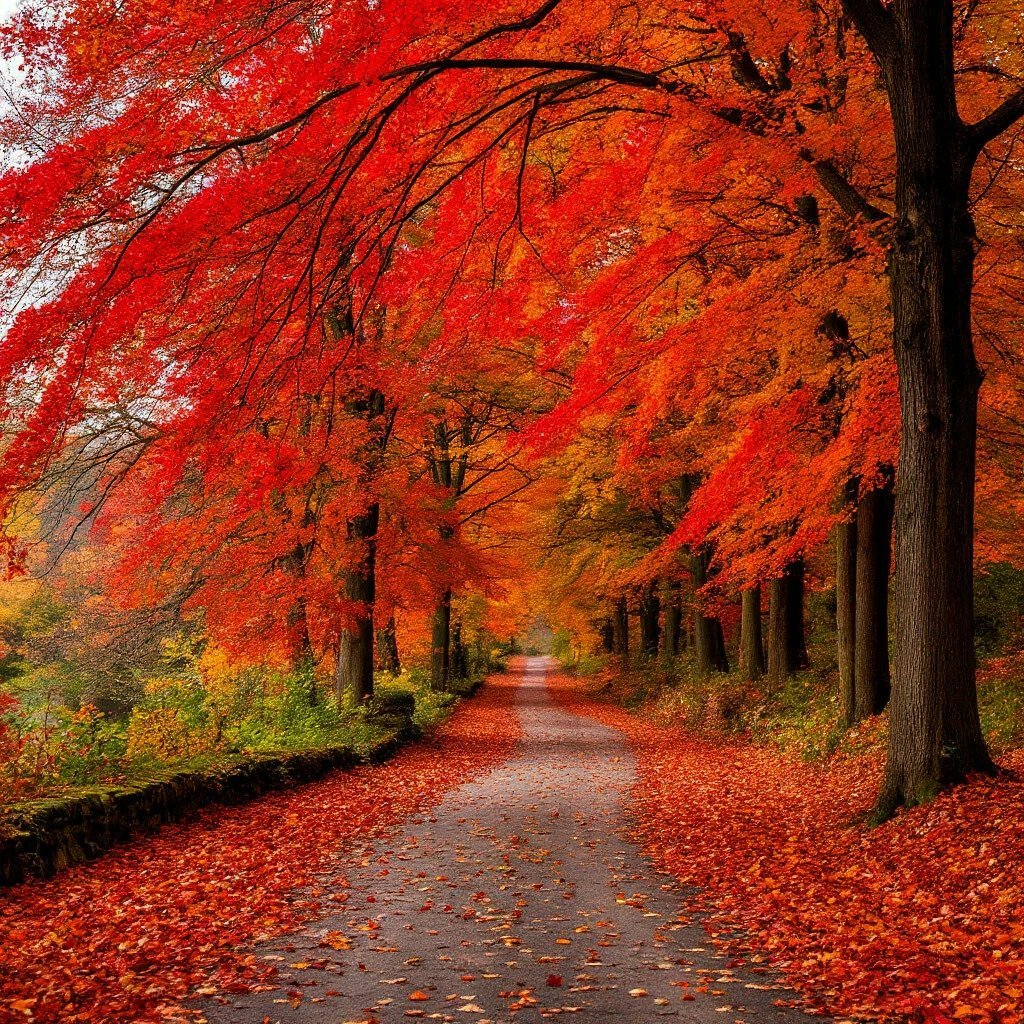
Fall foliage season is America’s most underrated travel window. The crowds of summer are gone, the air turns crisp, hotel prices drop, and entire mountainsides ignite in red, orange, and gold. But timing is everything — arrive a week early or late and you’ll wonder what the fuss was about.
These are the destinations that deliver the most spectacular color, with realistic peak windows and tips for beating the crowds that know about them too.
What Are the Best US Destinations for a Fall Foliage Trip? New England First
Vermont is the heavyweight champion — Stowe, the Green Mountains, and the small towns along Route 100 deliver the classic postcard views. Peak hits early to mid-October, and the color is so reliable it’s almost unfair. Book lodging months ahead; this is the one foliage trip where procrastination genuinely costs you.
New Hampshire’s White Mountains rival Vermont, with the Kancamagus Highway offering one of the great scenic drives in America — 34 miles of uninterrupted color with overlooks every few minutes. Go on a weekday if possible; October weekends turn the Kanc into a slow parade. The cog railway up Mount Washington adds a memorable excursion.
Maine’s Acadia National Park pairs ocean views with flaming maples — a combination you won’t find inland. Peak runs mid-October, and the park’s carriage roads are perfect for biking through the color. Bar Harbor gets busy, but the park is big enough to escape the crowds on foot or bike.
Beyond New England: Underrated Foliage Regions
The Blue Ridge Parkway through North Carolina and Virginia is 469 miles of fall color, peaking late October — weeks after New England. Asheville makes a perfect base, with the Biltmore Estate’s gardens adding a cultivated contrast to the wild mountainsides. This is the best option if you missed New England’s window.
Colorado’s aspens turn entire mountainsides solid gold in late September, and it’s a completely different palette — luminous yellow against dark evergreens and blue sky. The Maroon Bells near Aspen at sunrise, with golden aspens reflected in the lake, might be the single most photographed fall scene in America. Go early; the color is brief.
Michigan’s Upper Peninsula is the sleeper pick. The color rivals New England, the crowds don’t exist by comparison, and you can drive the Lake Superior shoreline with stops at waterfalls framed in red and orange. Add in pasties and craft breweries in Marquette, and it’s a perfect long weekend most people never consider.
Timing It Right: The Science of Peak Color
Peak color follows a rough north-to-south, high-to-low pattern: northern areas and higher elevations turn first. As a rule of thumb, northern New England peaks early-to-mid October, the mid-Atlantic late October, and the southern Appalachians late October into early November. Elevation can shift things by two weeks within the same region.
Use foliage trackers, not guesswork. State tourism sites and the US Forest Service publish weekly foliage reports every fall — check them the week before you go and be ready to adjust your route. A cold snap accelerates color; a warm rainy stretch delays it. Flexibility beats planning here.
Weather matters beyond timing. Overcast days actually make colors pop — the diffuse light saturates reds and oranges in a way harsh sun washes out. And morning fog in the valleys with sunlit ridgelines above is the kind of scene photographers dream about. Don’t cancel a foliage day for clouds.
- Vermont (Stowe/Route 100): early to mid-October, book early
- Kancamagus Highway, NH: October, go on weekdays
- Acadia National Park, ME: mid-October, bike the carriage roads
- Blue Ridge Parkway: late October, Asheville as base
- Colorado aspens: late September, brief but spectacular
- Michigan's UP: early October, no crowds, lake views
Beating the Crowds and Saving Money
Everyone wants the same October weekend. The fix is simple: travel midweek, stay in smaller towns 20-30 minutes from the famous spots, and start scenic drives before 9 a.m. You’ll have overlooks to yourself while the tour buses are still at breakfast. This pairs perfectly with last-minute rental strategies — foliage towns often have midweek gaps.
Consider the ‘second-tier’ famous places. Instead of Stowe, try Waitsfield or Warren. Instead of Asheville, try Brevard or Black Mountain. The color doesn’t care about the town’s fame, but your wallet and your sanity will notice the difference.
Pack layers and real walking shoes. Foliage trips involve more hiking and standing at overlooks than people expect, and mountain weather swings 30 degrees in a day. A thermos of coffee, a warm jacket, and a full tank of gas turn a good foliage day into a great one. For rail fans, the Adirondack train in October is foliage viewing at its most relaxing.
Photographing Fall Color Like a Pro (With Your Phone)
You don’t need a fancy camera — modern phones capture stunning foliage with the right technique. Shoot in the golden hours (first hour after sunrise, last hour before sunset) when the low light makes reds and oranges glow. Overcast days work beautifully too — the diffused light saturates colors without harsh shadows. Avoid midday sun, which washes out color and creates ugly contrast.
Composition basics: include something for scale (a barn, a person, a road winding through), get low for interesting foregrounds (fallen leaves, stone walls, fences), and look for reflections — still lakes and ponds double the color. The classic ‘tunnel of trees’ road shot works best with the road curving, not straight. And don’t forget the details: close-ups of individual leaves, dew on foliage, and forest floors carpeted in color tell the story the wide shots miss.
Phone settings that help: tap to focus on the brightest leaves, then drag the exposure down slightly (darker exposure = richer color), use HDR mode for high-contrast scenes, and shoot in RAW if your phone supports it for maximum editing flexibility. A $15 phone tripod enables the sharp low-light shots that handheld can’t manage. The best foliage photo is rarely the famous overlook at noon — it’s the quiet back road at 7 a.m. when the fog is lifting and you have it all to yourself.
Plan Around the Peak, Not the Hype
Pick your region by the calendar — Colorado in late September, New England in early-to-mid October, the southern Appalachians in late October — then check foliage trackers the week before and stay flexible. Go midweek, base in smaller towns, and start early. Do that, and you’ll see the America that makes photographers quit their jobs.