
A six-hour layover can feel like a punishment, but I’ve learned it doesn’t have to. The difference between a miserable airport stretch and a genuinely restful break usually comes down to a little planning before you leave home.
Whether you’re connecting through Chicago O’Hare or killing time in Dallas-Fort Worth, the strategies below will help you stay comfortable, fed, and sane. Most of them cost nothing — they just take a bit of forethought.
How Can I Make a Long Layover More Comfortable? Start Before You Fly
The biggest mistake travelers make is treating the layover as dead time they can’t control. In reality, you can shape the experience the moment you book. When I see two flight options — one with a 45-minute sprint between gates and one with a four-hour gap — I take the longer layover almost every time. Rushing through an unfamiliar airport is far more stressful than settling in with a coffee and a good book.
Check the airport map before you fly. Most major US hubs publish terminal maps online, and knowing where the quieter concourses, chapels, and nursing rooms are saves you from wandering. Some airports even have yoga rooms, art exhibits, or outdoor terraces — Minneapolis-St. Paul has a quiet observation deck, and San Francisco has a small museum in the international terminal. A two-minute map check turns a strange airport into familiar ground.
Pack a dedicated layover kit in your personal item, not your checked bag: a neck pillow that actually supports your head, noise-canceling earbuds or good earplugs, an eye mask, a refillable water bottle, and snacks that won’t melt. Airport food is expensive and the lines are long, so a protein bar and some nuts buy you freedom from the food court rush. If you’re dealing with frequent work travel, keeping this kit packed permanently is one of the smartest habits you can build.
Should You Buy Lounge Access for a Long Layover?
Airport lounges used to feel like an elite luxury, but a single-visit pass often runs $30 to $60 — less than you’d spend on a mediocre airport meal plus coffee. For a layover of four hours or more, that math starts making sense. You get comfortable seating, free Wi-Fi that actually works, snacks, drinks, and usually much cleaner restrooms.
Before you pay, check what your credit cards already offer. Plenty of mid-tier travel cards include a few lounge passes a year that people forget they have. Some airlines also sell day passes at the door when the lounge isn’t full. I’ve walked into lounges in Denver and Phoenix just by asking at the desk.
Not interested in paying? Look for the airport’s quieter corners instead. Gates at the far ends of terminals, mezzanine levels above food courts, and chapels or meditation rooms are usually empty and calm. Many airports also have free observation areas with big windows and comfortable chairs — perfect for watching planes while your phone charges.
Layover Comfort Kit: What to Pack and How to Rest
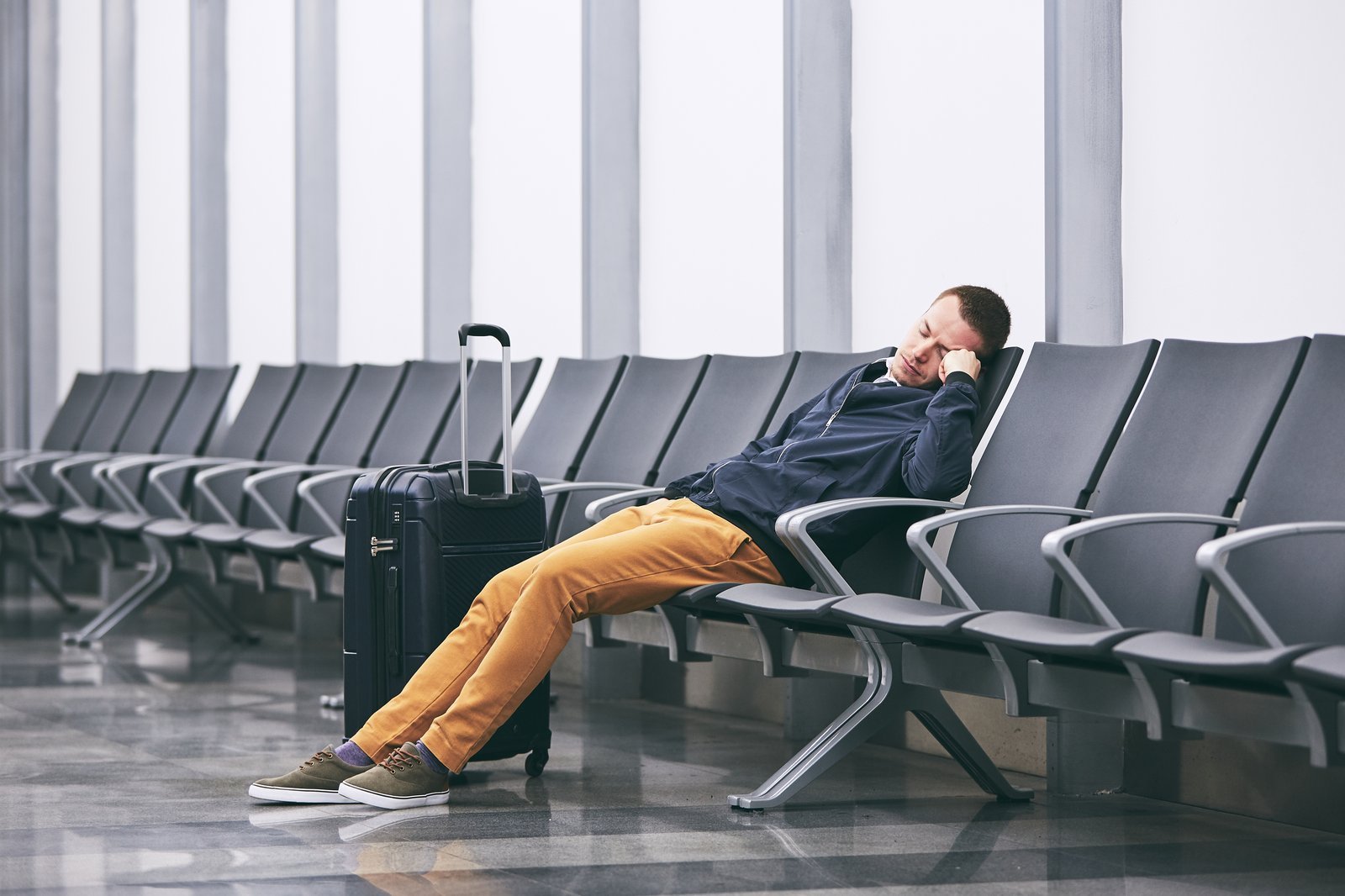
Sleep is the hardest part of a long layover, but it’s doable. Find a row of empty seats without armrests — many airports have removed them, but some seating areas near less-used gates still have the old bench style. Set a phone alarm with vibration, keep your bag looped through your arm or leg, and an eye mask plus earbuds will do the rest. Even a 45-minute nap changes how the rest of your travel day feels.
Movement matters just as much as rest. After sitting on a plane, your body wants to walk. Do a full loop of your terminal: it burns energy, eases stiff joints, and helps you discover better food options than the first place you see. I use the walk to scope out my departure gate too, so there’s no last-minute panic.
Stay hydrated and go easy on the alcohol. Cabin air is brutally dry, and a beer at 10 a.m. feels fun until you’re dehydrated and groggy for your connection. Water first, coffee second, and save the celebratory drink for when you land. Your future self will be grateful.
- A real neck pillow, not the inflatable kind that deflates by hour two
- Noise-canceling earbuds or foam earplugs plus an eye mask
- A portable charger — outlets near gates are always taken
- Refillable water bottle (fill it after security)
- Protein bars, nuts, or dried fruit to skip food court lines
- A light sweater or scarf — airports run cold year-round
Mistakes That Turn Layovers Into Misery
The classic blunder is leaving the airport without enough buffer. Yes, a seven-hour layover technically lets you visit downtown — but between deplaning, transit both ways, and re-clearing security, you might get 90 frantic minutes in the city. Unless you have at least six genuinely free hours and the city is close, stay put. The stress of watching the clock ruins the whole point.
Another mistake: camping at your gate for five hours. Gates are the noisiest, most crowded, most uncomfortable spots in any terminal. Check the departure board, note your gate, then go find somewhere better to wait. Set two alarms — one 45 minutes before boarding, one 25 minutes before — and relax somewhere with actual comfortable seating.
Finally, don’t forget to move your body before the next flight. A quick stretch session or a brisk terminal walk keeps circulation going and helps you sleep better on the next leg. Pair that with the strategies in our guide to planning multi-city trips without exhaustion, and even the most complicated itineraries start feeling manageable.
The Comfortable Layover Checklist
A long layover is only miserable if you arrive unprepared. Pack your comfort kit, scout the terminal map, consider a lounge pass, and give yourself permission to actually rest instead of hovering anxiously at the gate. Do those four things and you’ll walk onto your connecting flight feeling better than most people who flew direct. If you want to go deeper, the TSA’s travel tips page has solid advice on getting through security smoothly so your layover starts stress-free.