
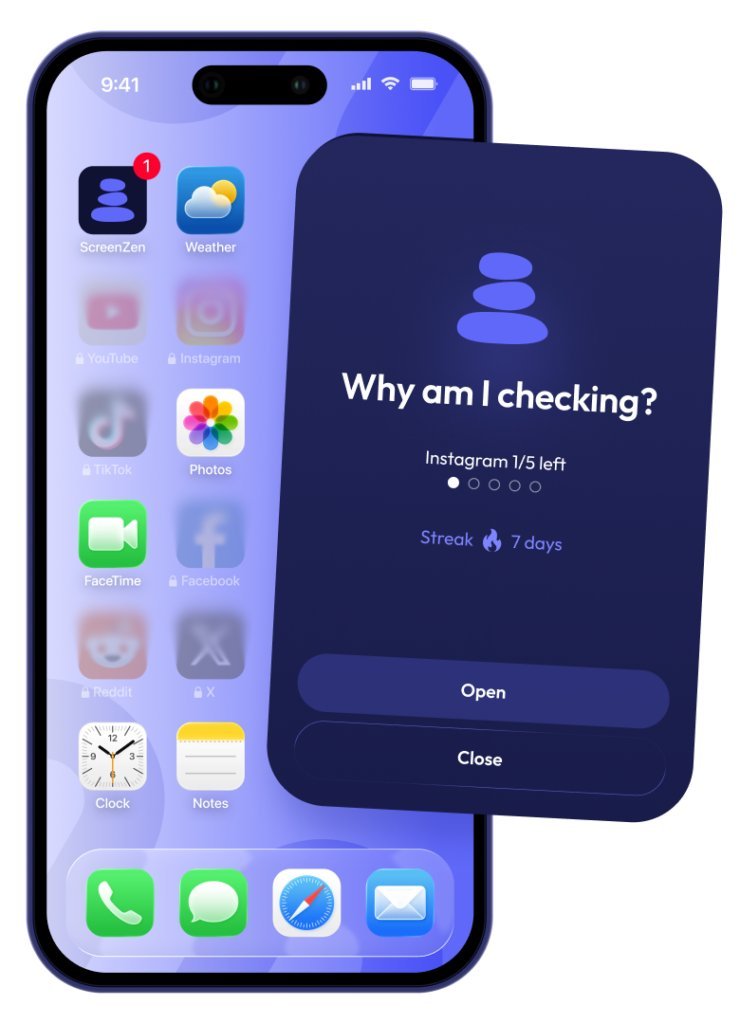
The short answer is simpler than most people think — but the details matter. If how can I reduce my screen time without deleting my apps has been on your mind, you’ve probably noticed that most advice about reduce my screen time without deleting my apps is either too technical or too salesy. Let’s skip both.
Here’s the plain-English version: what you need to know, the mistakes that cost people real money, and the straightforward path that works for most people. No jargon, no upsell — just useful answers.
Before You Start: What You’ll Need
Good news — this doesn’t require much. Grayscale mode makes your phone dramatically less addictive. Set aside 15 to 30 minutes of uninterrupted time, and make sure your devices are charged or plugged in. Most people trip up not because the process is hard, but because they rush it.
One more thing: if anything here involves your data, your accounts, or your money, slow down on the steps that ask for passwords or permissions. Legitimate processes never rush you through those screens.
How can i reduce my screen time without deleting my apps: Step by Step
Step 1 — Get set up. App timers (built into ios and android) cap daily use automatically. Don’t skip the prep; five minutes here saves twenty minutes of confusion later.
Step 2 — Follow the core process. Work through each screen or stage in order. If something doesn’t look like the description, stop and re-read rather than guessing — most errors happen when people click ahead on autopilot.
Step 3 — Verify it worked. Moving social apps off your home screen cuts pickups significantly. This is the step everyone skips and then regrets. A quick check now beats discovering a problem weeks later.
Step 4 — Lock it in. Save, confirm, or document whatever you just did. Future you will be grateful.
Troubleshooting: When Something Goes Wrong
The most common snag? The average american spends 4+ hours daily on their phone. When that happens, back up one step and try again slowly — nine times out of ten, it’s a missed detail, not a broken process.
If you’re truly stuck, the official help pages for your specific device or service are better than random forum advice. Search for your exact error message in quotes; that filters out 90 percent of irrelevant results.
Pro Tips Most Guides Skip
- Do this on Wi-Fi, not cellular data, whenever large downloads or uploads are involved
- Take screenshots as you go — they’re a lifesaver if you need to undo something
- If a step asks for personal info that feels unnecessary, pause and verify why it’s needed
Variations Worth Knowing About
The steps above cover the standard path, but your situation might differ slightly. Older devices and outdated software versions sometimes hide settings in different menus — if a step doesn’t match what you see, check for a software update first, since that resolves most mismatches.
If you’re helping someone else (a parent, a friend), do it alongside them rather than doing it for them. People retain about ten percent of what they’re told and far more of what they do themselves. A five-minute guided run-through beats a week of follow-up questions.
Keeping It Working After You’re Done
Finishing the setup is only half the job. Set a calendar reminder to revisit these settings in three to six months — updates reset things, new apps request new permissions, and small configuration drift adds up over time.
Write down what you changed and why, even just in a notes app. Six months from now you won’t remember which toggle fixed what, and that little log turns future troubleshooting from a mystery into a five-minute task.
Further Reading
For more background, see Consumer Reports’ buying advice. Sticking to well-established sources keeps you clear of the hype and bad advice that floods this topic.
Keep Reading
If this helped, these guides dig deeper into related topics:
- Smartwatch: Actually Useful or Just an Expensive Gimmick?
- SSD vs Hard Drive: A Beginner-Friendly Breakdown
- The Easiest Way to Scan Old Photos Into Your Computer
The Bottom Line
If you remember nothing else, remember this:
- Start with the free and simple fixes before spending money
- Get multiple quotes or compare a few options before committing
- Revisit your setup in a few months — small tweaks compound over time
Quick Answers to Common Questions
How long does this usually take? Most people get through the essentials in under an hour once they stop second-guessing. The research phase feels slow, but it prevents expensive mistakes later. Give yourself a single focused evening rather than dabbling across two weeks.
What’s the single biggest mistake beginners make? Skipping the basics and jumping straight to advanced tactics. Nail the fundamentals first — they deliver most of the results. Fancy optimizations only matter after the foundation is solid.
How much should I budget for this? It varies, but plan for the middle of the typical range rather than the cheapest quote you find. Bargain-basement options usually cost more in the long run through rework, replacements, or frustration. A realistic budget with a 15 percent cushion covers surprises.
Can I do this myself or do I need a professional? If the downside of a mistake is small and reversible, try it yourself — you’ll learn faster. If mistakes are expensive, dangerous, or legally complicated, hire someone qualified. When in doubt, pay for a one-hour consultation before committing to a big decision.
How often should I revisit this? Technology, prices, and best practices shift every year or two. A quick annual review keeps your setup current without constant tinkering. Put a recurring reminder on your calendar so it actually happens.
Where do most people go wrong with the timing? They either rush in without research or research forever without acting. Pick a decision deadline — two weeks is plenty for most of these topics — gather what you need, decide, and move on. Done beats perfect.
What should I do first thing tomorrow? Pick the single highest-impact, lowest-effort step from this guide and do it. Momentum from one small win makes the rest dramatically easier. Don’t try to implement everything at once.