
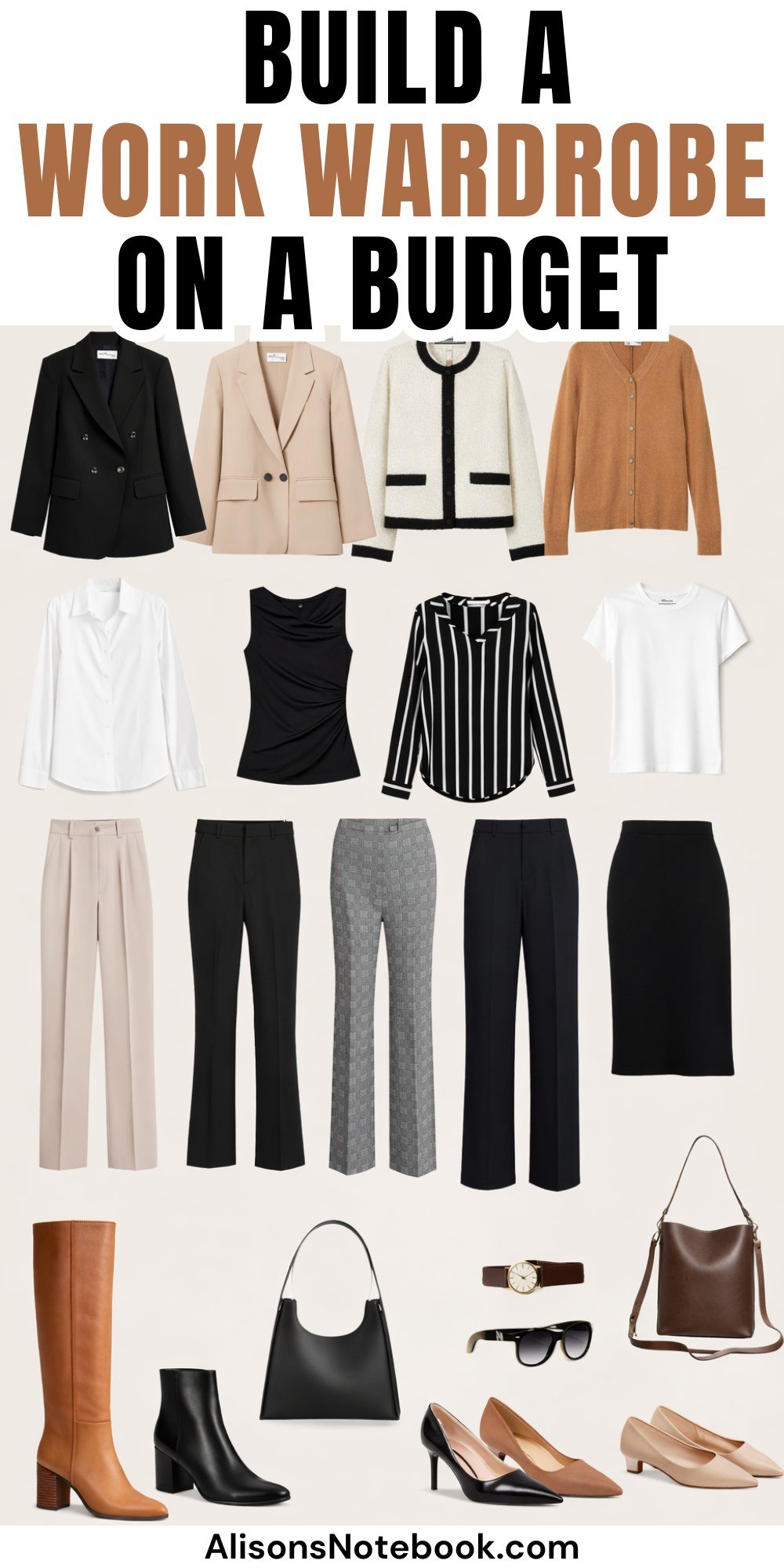
Can we talk honestly about how do I build a work wardrobe on a $500 budget? Because the internet has opinions — loud ones — and half of them exist to sell you something. Strip away the affiliate links and the sponsored hauls, and the core principles are surprisingly stable and refreshingly affordable. I’ve spent years testing style advice in real life, on a real budget, with a real body that doesn’t match sample sizes. Everything below passed that test. Let’s build you a version of this that you’ll actually enjoy.
First, some context that changes everything: style is a skill, not a trait. Nobody is born knowing which proportions work for their body or which colors wake up their face. The people who look polished learned it — through attention, experimentation, and yes, some mistakes. That means it’s learnable for you too, starting exactly where you are. Give yourself permission to be a beginner. Every well-dressed person you admire was once standing confused in a fitting room.
The Honest Answer to: How do I build a work wardrobe on a $500 budget
Here’s what I’d tell a friend over coffee: start with what you already own. Before buying a single thing, do an honest closet audit. Try everything on, keep what fits and feels like you, and note the gaps. Most people discover they own the raw materials of good outfits already — they’re just not combining them well, or a few key pieces are missing. This one exercise saves more money than any sale ever will, and it clarifies exactly what (if anything) you actually need to buy.
And please, dodge the comparison trap. Social media style is curated, filtered, professionally lit, and often sponsored. Real life is none of those things, and that’s fine. You’re dressing for your life — your commute, your job, your weekends — not for a photoshoot. The only audience that matters is you, feeling good in your own skin. Keep your eyes on your own closet and you’ll go further than the trend-chasers.
If you want to go deeper, fashion and lifestyle advice from Good Housekeeping and style coverage at Vogue are both solid next stops — reputable sources worth bookmarking alongside this guide.
Why the Details Matter More Than You Think
Here’s why I think this deserves real effort: the ripple effects go way beyond clothes. When you feel good in what you’re wearing, you carry yourself differently — you speak up more, you stop tugging at your sleeves, you walk into rooms a little taller. That’s not vanity; it’s the well-documented psychology of enclothed cognition. Your outfits are tools, and learning to use them well pays dividends in confidence that spill into work, dating, and daily life.
What Actually Works in Real Life
Enough philosophy — here’s the practical playbook. Work through these in order; each one builds on the last:
- Learn your actual measurements and sizes across brands. Sizes are meaningless — vanity sizing made sure of that. Know your numbers, and online shopping stops being a gamble.
- Find your references. Save photos of outfits you love — real people, not just models — and look for patterns. Your saved folder is a map of your taste; follow it.
- Take the mirror photo. Before you leave, snap a quick full-length photo. The camera is brutally honest in a way mirrors aren’t, and you’ll train your eye ten times faster with this one habit.
- Don’t skip grooming. Hair, nails, skin — the frame around the outfit matters enormously. You can wear simple clothes and look fantastic if the grooming is on point; the reverse is rarely true.
- Shop with a list, not a mood. Impulse buys are how closets fill with orphans that match nothing. A short list of actual gaps keeps every purchase pulling its weight.
- Prioritize fit above everything. Shoulders sit at the shoulder, hems hit the right spot, nothing pulls or pools. When in doubt, buy to fit the largest part and tailor the rest — it’s cheaper than you think.
Mistakes That Get in the Way
A quick warning before you dive in. These mistakes cost people the most money and confidence:
- Confusing expensive with good. Price and quality correlate loosely at best. A $40 well-made basic beats a $200 logo piece with bad proportions every time. Judge the garment, not the tag.
- Neglecting tailoring. Off-the-rack is cut for an imaginary average person. Small alterations make clothes look custom, and they’re far cheaper than buying up a price tier.
- Keeping clothes that don’t fit ‘just in case.’ They take up space, guilt you daily, and never get worn. Release them — your closet should be a toolbox, not a museum of intentions.
- Shopping when emotional. Bored, stressed, celebrating — emotions are terrible personal shoppers. The 24-hour rule (wait a day before buying) saves more money than any coupon.
Quick Answers to Common Follow-Ups
How much should I realistically budget?
Less than you fear. A functional refresh is very doable for $200 to $400 if you shop strategically — focusing on gaps, not overhauls. And remember the closet audit comes first; many people find they need far less than they assumed. Spend on fit and fabric where it shows, save everywhere else.
How do I develop my own taste faster?
Save everything you like, then study the patterns. After a month, your saved photos will reveal your actual preferences — colors, silhouettes, vibes — more honestly than any quiz. Then buy toward the pattern, not toward random attraction. Taste is just pattern recognition plus courage.
What if my body doesn’t match ‘standard’ sizes?
Then you’re gloriously normal — standard sizes fit almost nobody perfectly. That’s what tailors are for, and why knowing your measurements matters more than knowing your ‘size.’ The best-dressed people in any room are usually the ones whose clothes were adjusted, not the ones with the easiest bodies to fit.
The Bottom Line
The bottom line on how do I build a work wardrobe on a $500 budget: it’s simpler, cheaper, and more personal than the fashion world wants you to believe. Fit first, a coherent palette, honest closet audits, and the courage to trust your own eye — that’s the whole formula. Start with what you own, fill only real gaps, and give your taste a month to sharpen. You’ll be amazed how quickly ‘I have nothing to wear’ turns into ‘which great option today.’
Keep exploring on SnapNews24: How can I Find my Personal Style in my 30s and What is the Best Way to Organize a Small Closet and Is it Okay to Mix Gold and Silver Jewelry.