
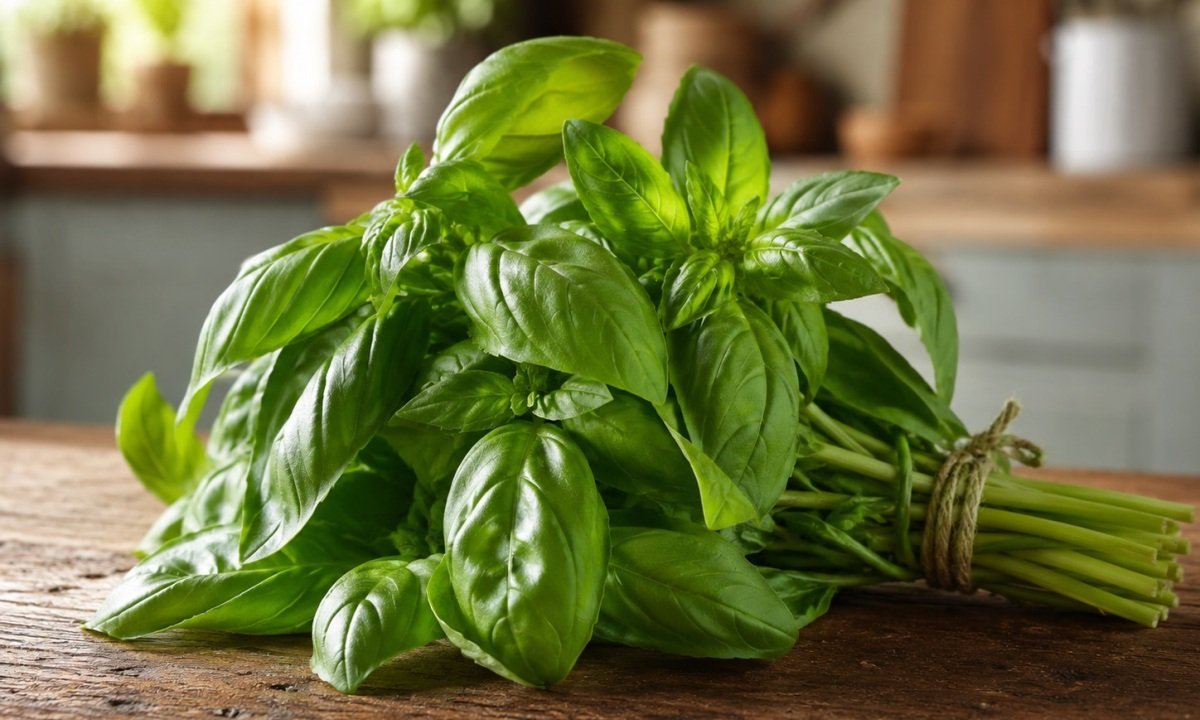
Fresh herbs are the fastest-wilting item in most kitchens — a $4 bunch of basil turned to black slime by Thursday is a universal frustration. But herbs don’t have to die in days. With the right storage (different for different herbs), most last 2-3 weeks.
Here’s the method for each herb type, what to do with herbs about to turn, and the freezing tricks for long-term storage.
How Do I Keep Fresh Herbs From Going Bad So Fast? Treat Them Like Flowers
Soft herbs (basil, cilantro, parsley, mint, dill): trim the stems, place upright in a jar with an inch of water (like flowers), cover loosely with a plastic bag, and refrigerate — except basil, which hates the cold and does better on the counter. This water-glass method keeps parsley and cilantro fresh 2-3 weeks, a 5x improvement over the plastic clamshell.
Woody herbs (rosemary, thyme, oregano, sage): these prefer drier storage — wrap loosely in a slightly damp paper towel, place in a zip bag (left slightly open or with air pressed out), and refrigerate. They’ll last 2-3 weeks easily; rosemary and thyme are naturally long-lived. Don’t wash before storing — moisture accelerates decay; wash just before use.
The enemies are: excess moisture (the slime-maker — always start with dry herbs), ethylene gas (store away from ripening fruit), and crushing (don’t jam bunches into tight spaces). Buy herbs last on grocery trips, inspect for already-wilting leaves (remove them — decay spreads), and store promptly. An hour on a warm counter costs days of life.
Freezing: The Long-Term Solution
For herbs you won’t use fresh in time, freezing beats wasting. The oil-cube method: chop herbs, pack into ice cube trays, cover with olive oil or water, freeze, then bag the cubes. Toss directly into hot pans — the cubes melt into instant flavor. Works brilliantly for basil, parsley, cilantro, dill, and thyme. Lasts 3-6 months.
Dry-freezing works for woody herbs: spread rosemary, thyme, or oregano on a tray, freeze, then bag — they crumble directly into dishes from frozen. And pesto freezing: make basil pesto (without cheese — add fresh when serving), freeze in cubes, and you have summer basil in January. This is the real answer to ‘too much basil from the garden.’
Drying is the third option, best for woody herbs: hang bundles upside down in a dark, airy spot for 1-2 weeks, then crumble into jars. Dried rosemary, thyme, and oregano are excellent (use 1/3 the amount of fresh). Don’t bother drying soft herbs — they lose too much flavor; freeze those instead.
Rescuing Herbs About to Turn
The triage rule: use the most perishable first. Basil and cilantro fade fastest; parsley and mint are middle; rosemary and thyme last longest. Plan meals around the wilting order — Monday’s garnish becomes Tuesday’s pesto becomes Wednesday’s soup. Cooking with herbs on the edge is fine; they’re still perfectly good.
Wilted-but-not-slimy herbs revive in ice water: 10-15 minutes in ice water crisps up limp parsley, cilantro, and basil remarkably. Slimy or black-spotted leaves are done — compost them. The line is texture: limp revives, slime doesn’t.
When you have too much to use: make compound butter (softened butter + chopped herbs + salt, rolled in parchment, frozen — instant fancy finishing for steaks and vegetables), herb salts (layer coarse salt with herbs), or chimichurri/salsa verde (uses whole bunches, keeps a week, transforms grilled everything). A $4 herb bunch becomes $20 of flavor with 10 minutes of processing. Our spice guide covers the dried side of the flavor equation.
- Soft herbs: water-glass method (basil on counter, rest in fridge)
- Woody herbs: damp towel + bag in fridge, 2-3 weeks
- Never store wet; remove wilting leaves immediately
- Freeze in oil cubes: 3-6 months of instant flavor
- Ice-water bath revives limp (not slimy) herbs
- Too much? Pesto, compound butter, chimichurri
Growing Your Own (The Real Fix)
A $4 basil plant from the grocery store, repotted and kept on a sunny windowsill, produces more basil over a month than $20 of cut bunches — and it’s always fresh. Parsley, mint (in its own pot — it invades), chives, and thyme all grow easily indoors with decent light. The ROI on a windowsill herb garden is absurd.
Care basics: bright light (6+ hours, or a $20 grow light), water when the top inch is dry, harvest from the top to encourage bushiness, and don’t let basil flower (pinch the tops). Even black thumbs succeed with mint and chives — they’re nearly indestructible.
For outdoor growing, a single raised bed or a few pots handle a family’s herb needs: basil, parsley, cilantro (succession-plant every 2 weeks — it bolts fast), dill, and mint. Total cost under $30, harvest all season. The Old Farmer’s Almanac herb guides have variety and timing advice by region. Fresh herbs stop being a grocery problem when they’re a windowsill habit.
Herb-Infused Everything: Using the Bounty
When herbs are thriving (or the farmers market was generous), infuse them into everything. Herb oils: gently warm olive oil with herbs (rosemary, thyme, chili + garlic), cool, strain, bottle — homemade infused oils that cost $15 at gourmet stores. Herb vinegars: pack jars with herbs, cover with warmed vinegar, wait 2 weeks — beautiful gifts and brilliant salad dressings. Herb salts: pulse coarse salt with herbs in a food processor — the flavored finishing salt that makes the whole dish taste better.
Herb butters deserve special mention: softened butter + chopped herbs + lemon zest + salt, rolled in parchment and frozen in coins. A coin of herb butter on a steak, piece of fish, roasted vegetables, or warm bread is restaurant-level finishing for pennies. Make several varieties (parsley-garlic, dill-lemon, rosemary-sea salt) and freeze — they keep 3 months and deploy in seconds.
Drinks count too: mint + cucumber water, basil lemonade, rosemary grapefruit spritzers, thyme honey syrup for cocktails and sodas. Herbs in beverages feel fancy and cost nothing when they’re abundant. The pattern: when you have more herbs than meals, preserve and infuse rather than watching them wilt. Abundance is only a problem without a plan — and now you have several. For the weekly system that keeps herbs (and everything else) from going to waste, our meal planning guide builds preservation into the routine.
Stop Watching Herbs Die
Soft herbs in water-glass (basil on the counter), woody herbs in damp towels, freeze the surplus in oil cubes, revive the limp in ice water, and process the excess into pesto and compound butter. Or grow a $4 basil plant and skip the problem entirely. Fresh herbs are only fragile when stored wrong — store them right and they last weeks.