
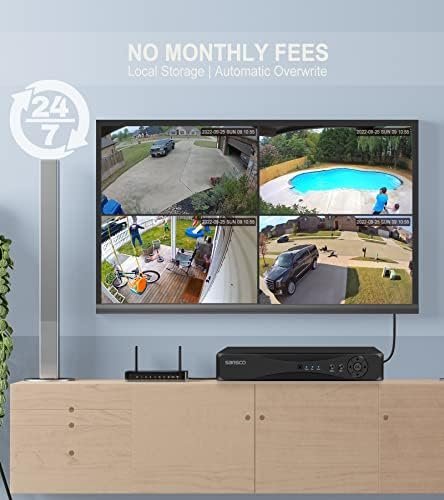
Let’s cut straight to it. If you’ve been wondering about how much does a good home security camera system cost, you’re not alone — it’s one of those questions that sounds simple until you start digging into the details.
I’ve spent enough time on this topic to know where people waste money, where they get confused, and what actually moves the needle. This guide lays it all out plainly: real numbers, practical steps, and honest advice with no fluff.
What This Typically Costs
Let’s talk real numbers, because vague answers don’t help anyone budget. A solid 3-4 camera diy system runs $200-$500 in 2026. That range covers most standard situations — the kind of everyday scenario most readers are dealing with.
Where does the extra money go? Usually three things: the quality of parts or materials involved, how much skilled labor the job takes, and where you live. Big-city prices run 20 to 40 percent higher than small-town ones for the same work, which surprises a lot of people.
- A solid 3-4 camera DIY system runs $200-$500 in 2026
- Wired PoE systems cost more upfront but are more reliable than Wi-Fi cams
- Cloud storage plans add $3-$15/month per camera if you want recordings saved offsite
- Professionally installed systems start around $800-$1,500
The Honest Truth About how much does a good home security camera system cost
Here’s what I wish someone had told me earlier: the cheapest quote is rarely the best deal. Wired poe systems cost more upfront but are more reliable than wi-fi cams. I’ve seen too many people pay twice — once for the bargain option, then again to fix what the bargain option broke.
Ask for an itemized quote before anyone starts work. If a shop or provider won’t break down parts versus labor, that’s a red flag. Good operators are transparent because they have nothing to hide.
Ways to Pay Less Without Cutting Corners
Timing matters more than haggling. Off-peak seasons, mid-week appointments, and manufacturer promotions can shave real money off the bill. It also pays to get three quotes — not ten, which just wastes everyone’s time, but three solid ones from reputable providers.
Cloud storage plans add $3-$15/month per camera if you want recordings saved offsite. And don’t overlook the DIY question honestly: some parts of this are genuinely doable yourself with a YouTube tutorial and basic tools, while other parts really do need a pro. Knowing which is which saves both money and headaches.
Mistakes That Inflate the Bill
The classic error is waiting too long. Professionally installed systems start around $800-$1,500. Small problems are cheap problems; neglected ones turn into expensive ones. The second mistake is skipping the warranty question — always ask what’s covered if something goes wrong after the work is done.
Finally, watch out for upsells presented as necessities. A trustworthy provider explains what’s urgent, what can wait, and what’s purely optional. If everything is suddenly ‘urgent,’ get a second opinion.
Understanding the Quote Line by Line
A quote that just says a single number tells you nothing. Ask what the parts cost versus the labor, whether there’s a diagnostic fee, and what happens if the job uncovers extra work halfway through. Reputable providers answer these questions without hesitation — evasive answers are your cue to walk away.
Also ask about the warranty in plain terms: how long it lasts, what exactly it covers, and whether you have to go back to the same shop to use it. A 90-day warranty on labor is a reasonable minimum in most service industries. Anything less, and you’re absorbing all the risk.
Finally, get the quote in writing — even a text message counts. Verbal quotes have a funny way of growing once the work is half done.
DIY vs Hiring a Pro: An Honest Breakdown
Doing it yourself saves the labor charge, which is often half the total bill. But DIY has hidden costs: the tools you need to buy, the time you’ll spend, and the risk of making things worse. Be brutally honest about your skill level before choosing this route.
My rule: DIY when the worst-case mistake is cheap and reversible. Hire a pro when a mistake would cost more than the labor you’re trying to save, or when safety is involved. There’s no prize for stubbornness — only bigger bills.
Further Reading
For more background, see the FCC’s consumer guides. Sticking to well-established sources keeps you clear of the hype and bad advice that floods this topic.
Keep Reading
If this helped, these guides dig deeper into related topics:
- How to Back Up iPhone Photos to Your Computer for Free
- How Much Does It Cost to Replace a Cracked Phone Screen?
- What 5G Actually Means for Everyday Phone Users
The Bottom Line
The practical takeaway is simple:
- Start with the free and simple fixes before spending money
- Get multiple quotes or compare a few options before committing
- Revisit your setup in a few months — small tweaks compound over time
Quick Answers to Common Questions
How long does this usually take? Most people get through the essentials in under an hour once they stop second-guessing. The research phase feels slow, but it prevents expensive mistakes later. Give yourself a single focused evening rather than dabbling across two weeks.
What’s the single biggest mistake beginners make? Skipping the basics and jumping straight to advanced tactics. Nail the fundamentals first — they deliver most of the results. Fancy optimizations only matter after the foundation is solid.
How much should I budget for this? It varies, but plan for the middle of the typical range rather than the cheapest quote you find. Bargain-basement options usually cost more in the long run through rework, replacements, or frustration. A realistic budget with a 15 percent cushion covers surprises.
Can I do this myself or do I need a professional? If the downside of a mistake is small and reversible, try it yourself — you’ll learn faster. If mistakes are expensive, dangerous, or legally complicated, hire someone qualified. When in doubt, pay for a one-hour consultation before committing to a big decision.
How often should I revisit this? Technology, prices, and best practices shift every year or two. A quick annual review keeps your setup current without constant tinkering. Put a recurring reminder on your calendar so it actually happens.
Where do most people go wrong with the timing? They either rush in without research or research forever without acting. Pick a decision deadline — two weeks is plenty for most of these topics — gather what you need, decide, and move on. Done beats perfect.
What should I do first thing tomorrow? Pick the single highest-impact, lowest-effort step from this guide and do it. Momentum from one small win makes the rest dramatically easier. Don’t try to implement everything at once.