
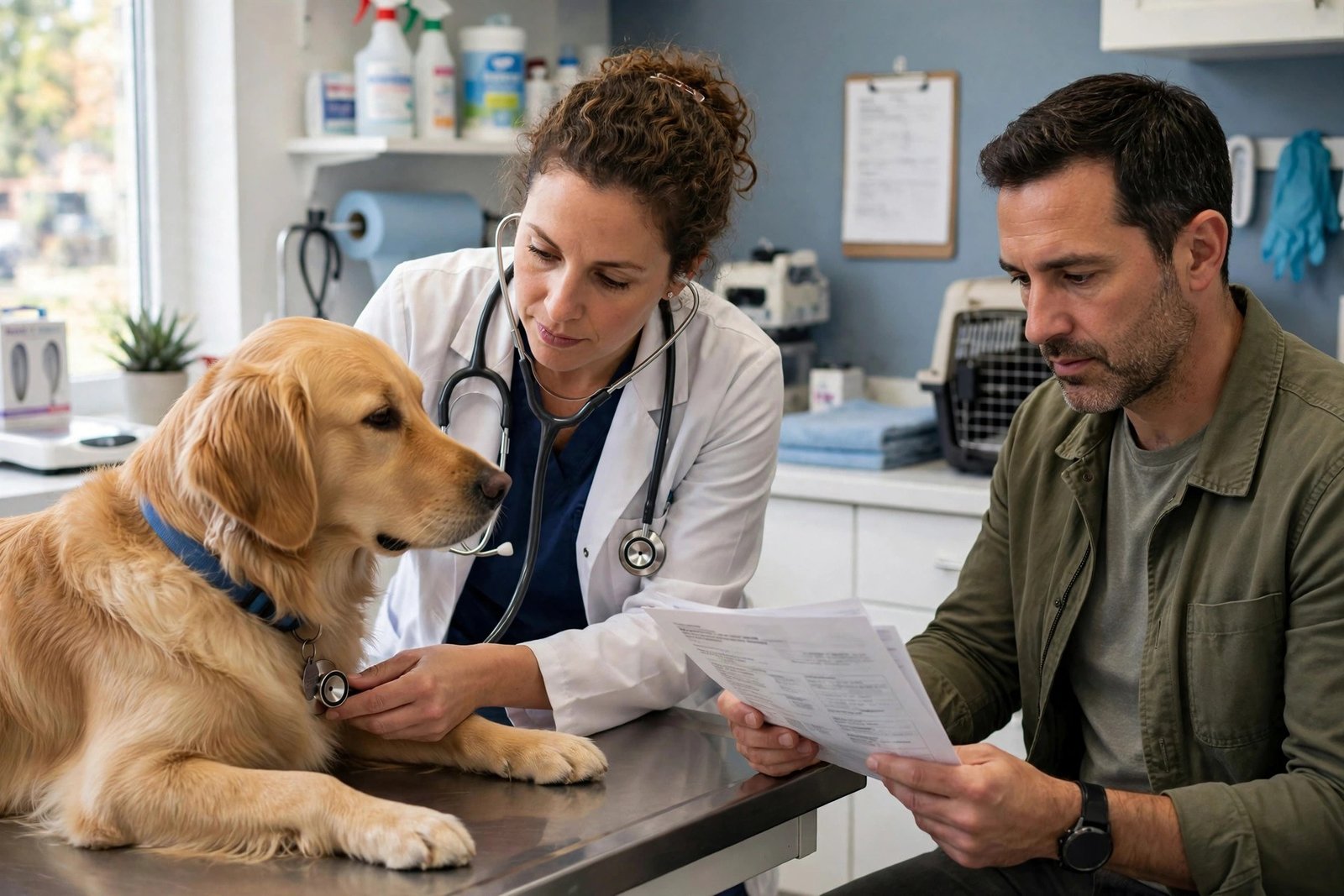
A single emergency vet visit can cost $3,000 to $7,000. Pet insurance turns that crisis into a manageable deductible — but only if you choose the right policy. The pet insurance market is crowded with options that differ wildly in what they cover, what they exclude, and how they handle claims. Choose poorly, and you pay premiums for years only to discover your pet’s condition is not covered when you need it most. PetMD’s guide to how pet insurance works explains premiums, deductibles, and reimbursements in plain English.
This guide explains how pet insurance works, what to look for, and how to choose a policy that actually protects you.
How Pet Insurance Works
Unlike human health insurance, pet insurance is a reimbursement model. You pay the vet bill upfront, submit a claim, and the insurer reimburses you for the covered percentage — typically 70%, 80%, or 90% after you meet an annual deductible ($250-$500 is common). There are annual coverage limits ($5,000 to unlimited), and premiums range from $15-$30/month for cats to $30-$70/month for dogs, varying by breed, age, and location.
The key insight: pet insurance is for catastrophes, not routine care. It covers accidents (broken bones, swallowed objects), illnesses (cancer, infections, chronic conditions), and often hereditary conditions — but routine wellness (vaccinations, flea prevention, annual exams) is usually excluded unless you buy a wellness rider. Think of it as financial protection against the big, unexpected bills that force owners into heartbreaking decisions. It serves the same purpose as insurance for a small home business — you hope you never need it, but you cannot afford to be without it when disaster strikes.
What to Look For
Coverage details matter more than premiums. Prioritize: comprehensive accident AND illness coverage (accident-only plans are cheaper but leave you exposed to the expensive stuff like cancer), hereditary and congenital condition coverage (critical for purebreds prone to hip dysplasia, heart conditions, etc.), and no per-condition limits (annual limits are fine; per-condition caps can leave you underinsured for chronic issues).
Check the waiting periods — most policies have 14 days for illnesses and 48 hours for accidents, with longer waits (6-12 months) for orthopedic conditions. Anything that happens during the waiting period becomes a pre-existing condition. Also verify: Is the deductible annual or per-condition? (Annual is better.) Is there a direct vet pay option, or only reimbursement? What is the claims process — app, online, or fax? (Yes, some still use fax.) How quickly do they pay? The best insurers process claims in days; the worst take weeks. For comparison, travel insurance for international trips follows the same evaluate-the-fine-print logic.
Pre-Existing Conditions: The Fine Print
This is where most claims are denied. A pre-existing condition is any illness or injury that showed symptoms before coverage started (or during waiting periods) — and insurers interpret this broadly. Some distinguish between curable pre-existing conditions (an ear infection that resolved — may be covered after 12 months symptom-free) and incurable ones (diabetes, allergies — permanently excluded). Enroll when your pet is young and healthy to minimize exclusions. Once a condition is documented in vet records, it is very difficult to get it covered later.
When Pet Insurance Makes Sense
Insurance makes the most sense for: young pets (lowest premiums, fewest exclusions), breeds prone to expensive conditions (French Bulldogs, German Shepherds, Maine Coons), and owners who could not comfortably cover a $5,000 emergency. It makes less sense for: senior pets with many pre-existing conditions (premiums are high and coverage is limited), owners with substantial emergency savings who can self-insure, and very low-risk situations.
Do the math for your situation. A $50/month premium is $600/year, $6,000 over 10 years. If your pet never has a major issue, you “lose” money — but that is how insurance works. You are buying certainty, not an investment. The alternative — a dedicated pet emergency fund with $50-$100/month in a high-yield savings account — works if you are disciplined and lucky enough not to face a big bill in the first couple of years before the fund builds. Many financial advisors suggest the fund approach for owners with strong cash flow, and insurance for everyone else. The North American Pet Health Insurance Association’s buyer guidelines offer unbiased criteria for comparing policies.
Comparing Top Providers
The pet insurance market has consolidated around a few major players, each with strengths. Trupanion is known for direct vet payment (they pay the vet directly, so you do not wait for reimbursement) and no payout limits, but premiums are higher. Healthy Paws offers simple, comprehensive coverage with fast claims, but they do not cover exam fees. Embrace has diminishing deductibles (your deductible drops each year you do not claim) and covers behavioral therapy.
Lemonade (the tech startup) offers low premiums and AI-powered claims, but coverage is less comprehensive. Spot covers a wide range including microchipping and behavioral issues. Figo has a useful pet cloud app for records. The “best” depends on your priorities: lowest premium, fastest claims, most comprehensive coverage, or specific features. Get quotes from 3-4 providers for your specific pet (breed, age, location affect pricing dramatically) and compare the actual policy documents, not just marketing summaries.
Read reviews from actual claimants, not just enrollment experiences. The true test of an insurer is how they handle a $5,000 claim, not how easy the website is. Look for patterns in complaints: denied claims for pre-existing conditions, slow payments, or premium spikes after claims. State insurance regulator websites list complaint ratios — a valuable objective metric.
Wellness Plans vs. Insurance
Do not confuse wellness plans with insurance. Wellness plans (offered by vets like Banfield, or as insurance add-ons) cover routine care: vaccinations, flea prevention, annual exams. They are essentially a payment plan — you pay monthly, you get routine services. They do not cover accidents, illnesses, or emergencies.
Insurance covers the unexpected: broken bones, cancer, swallowed objects. Wellness plans cover the expected. You need insurance for financial protection; wellness plans are optional budgeting tools. Some insurers offer wellness riders, but compare the cost — you may be better off budgeting for routine care yourself and using insurance purely for catastrophes. Do not buy a wellness plan thinking you are protected against a $5,000 emergency; you are not.
For more detailed guidance, see American Kennel Club resources.
Frequently Asked Questions
When should I enroll my pet?
As early as possible — ideally at 8 weeks for puppies and kittens. Premiums are lowest, waiting periods pass before any issues arise, and pre-existing condition exclusions are minimized. You can enroll adult pets too, but expect higher premiums and more exclusions.
Does pet insurance cover pre-existing conditions?
Generally no, with limited exceptions for curable conditions that have been symptom-free for 12+ months (varies by insurer). This is why early enrollment matters — once a condition is in the medical record, it is excluded.
Is there a waiting period before coverage starts?
Yes — typically 2-14 days for accidents and 14 days for illnesses. Orthopedic conditions often have 6-12 month waits. Do not wait until your pet is sick to enroll; the waiting period means you will not be covered.
Can I use any veterinarian?
With most pet insurance, yes — unlike human HMOs, there are no networks. You pay the vet, submit the claim, and get reimbursed. This is a major advantage: you keep your trusted vet and get emergency care anywhere.