
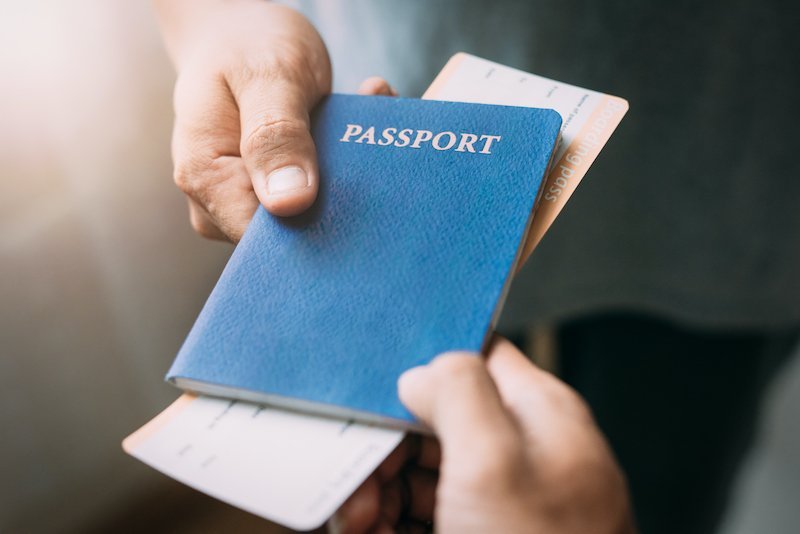
Losing your passport in a foreign country is the travel nightmare everyone fears, and it happens more often than you’d think — pickpockets in Barcelona, a bag left in a taxi in Bangkok, a hostel locker that wasn’t as secure as it looked. I’ve helped two friends through this, and the process is far more manageable than the panic suggests.
Here’s the exact sequence to follow, from the first hour to the flight home. Read it now, remember the key steps, and you’ll handle it calmly if it ever happens to you.
What Should I Do If I Lose My Passport While Abroad? First Steps
Step one: retrace and report. Check everywhere — really everywhere — then file a police report if it’s stolen or truly lost. You’ll need that report number for the embassy, and your travel insurance claim will require it too. Many tourist police stations in major cities have English-speaking officers and streamlined processes for exactly this.
Step two: contact the nearest US embassy or consulate. The State Department’s website has a lookup tool, and there’s a 24-hour emergency line (+1-888-407-4747 from the US/Canada, +1-202-501-4444 from abroad — save these in your phone now). Tell them you need an emergency passport; they’ll schedule you for the next available appointment, often same-day or next-day in major cities.
Step three: gather what you have. Bring any ID you still carry (driver’s license, a photocopy of your passport if you’re smart enough to have one), your police report, travel itinerary, and passport photos if you have them — many embassies can take photos on-site, but having them speeds things up.
Getting the Emergency Passport
US embassies issue limited-validity emergency passports, usually on the spot or within a day or two. These are real passports that get you home — they’re typically valid for one year and can’t always be used for onward travel to third countries, so plan to fly directly home if possible.
Bring proof of your travel plans. If you have a flight in 48 hours, say so — consular staff prioritize genuine emergencies, and an imminent departure moves you up the queue. The fee is currently $165 for adults, payable by card at most posts. Keep the receipt; some travel insurance policies reimburse it.
While you wait, contact your airline. Most carriers will rebook you without penalty when you explain the situation and show embassy documentation, especially if you have travel insurance. Don’t just no-show your flight — call, explain, and get rebooked. This is also when having digital backups of everything (saved in cloud storage, not just on the phone you might also lose) pays for itself many times over.
Protecting Yourself After a Loss or Theft
If your passport was stolen rather than lost, assume your identity is at risk. File a report with the Federal Trade Commission when you get home, consider a fraud alert with the credit bureaus, and monitor your accounts. A stolen passport alone rarely leads to full identity theft, but paired with other documents from the same bag, it’s a real risk.
Replace the emergency passport with a full-validity one once you’re home — the limited passport can’t simply be extended. You’ll apply with Form DS-5507, and it’s a straightforward process. Keep the emergency passport; it’s a good reminder to be more careful next time.
Tell your travel companions and your emergency contact what’s happening. Not just for support — if you’re traveling with others, they may need to adjust plans, and someone at home should know your situation in case communication gets spotty. A quick message home early prevents worried calls later.
- Photograph your passport and email it to yourself before every trip
- Save embassy emergency numbers in your phone contacts
- Keep a paper photocopy separate from the original
- Use a hotel safe or money belt, not a back pocket
- Know that police reports are required for insurance claims
- Travel insurance with document-loss coverage is worth it
How to Prevent It Next Time
Prevention is unglamorous but effective. Leave your passport in the hotel safe and carry a photocopy for daily use — very few situations abroad actually require the physical passport on your person. When you must carry it, use a neck pouch or money belt under your clothes, not a backpack pocket.
Split up your valuables. Passport in one place, backup cards and cash in another, phone in a third. A pickpocket who gets one pocket shouldn’t get your entire trip. This is basic stuff, but most victims I know broke at least one of these rules.
Finally, get travel insurance that covers document replacement and trip interruption. It’s one of the cheapest travel protections you can buy, and a lost passport is exactly the kind of disruption it’s designed for. Combined with the habit of digital backups, you’ll turn a potential trip-ruiner into a one-day inconvenience. For official guidance, bookmark the State Department’s passport services page before you fly.
What If It Happens Repeatedly? Prevention Systems for Frequent Travelers
If you travel internationally often, build a system so a lost passport is an inconvenience, not a crisis. Keep a color photocopy in a separate bag from the original, store a scanned copy in cloud storage and email it to yourself, and consider a passport card as backup ID (valid for land/sea travel to Canada, Mexico, and the Caribbean — useful if your book goes missing mid-trip). Some frequent travelers also register with the State Department’s STEP program, which helps embassies reach you in emergencies.
Your daily-carry habits matter more than any backup. The travelers who lose passports almost always broke the same rule: carrying it loose when they didn’t need to. Establish the ritual — passport lives in the hotel safe or a neck pouch under your clothes, never in a back pocket, open tote, or hostel dorm. When you must carry it (border crossings, check-in), it goes straight back to secure storage immediately after. Rituals beat willpower.
Travel insurance with document-replacement coverage ($100-$200/year for frequent travelers) covers the embassy fees, extra hotel nights, and rebooking costs that a lost passport triggers. And keep your itinerary flexible where possible — refundable or changeable flights turn a two-day embassy delay from a financial disaster into a minor detour. Combined with smart money habits like knowing the cheapest ways to handle currency abroad, a lost passport becomes a solvable problem rather than a trip-ending one. For longer adventures, our budget international travel guide covers building trips that survive disruptions.
Don't Panic — There's a System for This
A lost passport abroad feels catastrophic, but embassies handle this every single day. File a police report, contact the embassy, bring whatever ID you have, and you’ll typically have an emergency passport within a day or two. The travelers who suffer most are the ones with no backups and no insurance — so photograph your documents, save those emergency numbers, and buy the insurance before you need it.