
Let’s cut straight to it. If you’ve been wondering about why does my laptop fan run so loud all the time, you’re not alone — it’s one of those questions that sounds simple until you start digging into the details.
I’ve spent enough time on this topic to know where people waste money, where they get confused, and what actually moves the needle. This guide lays it all out plainly: real numbers, practical steps, and honest advice with no fluff.
Why does my laptop fan run so loud all the time: What’s Most Likely Going On
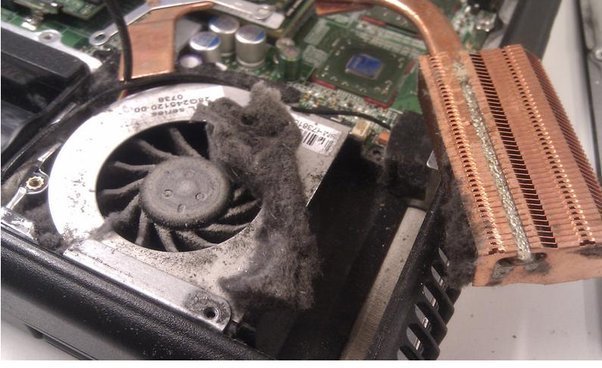
Dust-clogged vents are the #1 cause of constant loud fans. I know that’s annoying to hear when you just want it fixed, but identifying the right cause is half the battle — the wrong fix wastes time and sometimes makes things worse.
The Usual Suspects, Ranked
- Dust-clogged vents are the #1 cause of constant loud fans
- Background processes like updaters and browser tabs spike CPU and fan noise
- Replacing dried thermal paste ($10 DIY) can drop temps 10-15C on old laptops
- A cooling pad ($20-$35) helps but won’t fix a dust problem
Fixes That Actually Work
Start with the simplest one: Background processes like updaters and browser tabs spike cpu and fan noise. I always recommend the easy, free fixes first, in order, before spending money or calling support. Restart the device, check for updates, and test again.
Replacing dried thermal paste ($10 diy) can drop temps 10-15c on old laptops. Work through these one at a time and test between each change — if you change five things at once, you’ll never know which one fixed it.
When to Stop DIY-ing It
A cooling pad ($20-$35) helps but won’t fix a dust problem. There’s no shame in that; some problems genuinely need professional tools or access you don’t have. The trick is knowing when you’ve hit that wall instead of throwing good money after bad.
Quick Checks Before You Dig Deeper
Before going down any rabbit hole, run through the two-minute basics: restart the device, check for software updates, and make sure nothing is physically blocked, loose, or overheating. An embarrassing share of persistent problems turn out to be one of these three.
Also consider what changed recently. Problems that appear out of nowhere usually aren’t out of nowhere — a new app, a recent update, a settings change, or even a move to a new room. The timeline of ‘when did this start’ is the single most useful diagnostic clue you have.
Preventing It From Coming Back
Fixing it once is good; keeping it fixed is better. Most recurring issues have a maintenance angle — something that needs periodic attention that nobody told you about. Figure out what that is for your situation and put it on a light schedule.
Document what worked, too. The fix you found today will save you an hour the next time it happens, but only if you can remember what it was. A quick note in your phone is all it takes.
Further Reading
For more background, see Consumer Reports’ buying advice. Sticking to well-established sources keeps you clear of the hype and bad advice that floods this topic.
Keep Reading
If this helped, these guides dig deeper into related topics:
- The Best Budget Laptops for College Students in 2026
- The Easiest Way to Scan Old Photos Into Your Computer
- How to Clean Your Laptop Keyboard the Safe Way
The Bottom Line
If you remember nothing else, remember this:
- Start with the free and simple fixes before spending money
- Get multiple quotes or compare a few options before committing
- Revisit your setup in a few months — small tweaks compound over time
Quick Answers to Common Questions
How long does this usually take? Most people get through the essentials in under an hour once they stop second-guessing. The research phase feels slow, but it prevents expensive mistakes later. Give yourself a single focused evening rather than dabbling across two weeks.
What’s the single biggest mistake beginners make? Skipping the basics and jumping straight to advanced tactics. Nail the fundamentals first — they deliver most of the results. Fancy optimizations only matter after the foundation is solid.
How much should I budget for this? It varies, but plan for the middle of the typical range rather than the cheapest quote you find. Bargain-basement options usually cost more in the long run through rework, replacements, or frustration. A realistic budget with a 15 percent cushion covers surprises.
Can I do this myself or do I need a professional? If the downside of a mistake is small and reversible, try it yourself — you’ll learn faster. If mistakes are expensive, dangerous, or legally complicated, hire someone qualified. When in doubt, pay for a one-hour consultation before committing to a big decision.
How often should I revisit this? Technology, prices, and best practices shift every year or two. A quick annual review keeps your setup current without constant tinkering. Put a recurring reminder on your calendar so it actually happens.
Where do most people go wrong with the timing? They either rush in without research or research forever without acting. Pick a decision deadline — two weeks is plenty for most of these topics — gather what you need, decide, and move on. Done beats perfect.
What should I do first thing tomorrow? Pick the single highest-impact, lowest-effort step from this guide and do it. Momentum from one small win makes the rest dramatically easier. Don’t try to implement everything at once.
A Practical Checklist Before You Act
It helps to run through a quick checklist before spending money or making changes. First, define the actual problem you’re solving — not the vague feeling, the concrete issue. People often buy solutions for problems they don’t have, which is how money gets wasted.
Second, set a budget or time limit in advance. Open-ended projects expand to fill whatever resources you give them. A firm cap forces better decisions and keeps small tasks from turning into expensive sagas.
Third, check what you already have. Half the time, the tool, feature, or option you need is already sitting in your current setup, unused. A quick inventory before buying anything new saves a surprising amount of money.
Fourth, read the fine print on anything with a recurring cost. Subscriptions, warranties, and service plans are where the real long-term money goes. A cheap upfront price with an expensive tail is not actually cheap.
Finally, give yourself permission to start imperfectly. You can refine as you go, but you can’t refine something you never started. The first version just needs to work — polish comes later.