Every season in the housing market rewards a different kind of buyer, and punishes a different one too. Ask when the best time to buy a house might be, and the honest answer starts with another question: best at what, exactly? Lowest price, least competition, and most choice are three different answers, and no single season delivers all three at once. A buyer hunting the lowest possible price accepts a thin shelf and slow, awkward viewings. A buyer who wants every possible home to choose from accepts crowds, pressure, and firm prices. A buyer who hates rivalry above all else accepts fewer homes and longer waits. Naming the goal first turns a vague argument about seasons into a practical decision, because each season that follows can then be judged against that goal rather than against a fantasy season that does not exist. Readers at the very start of the road, before seasons even matter, will find the groundwork laid out in a quick-start guide to buying your first home, and that groundwork matters in every month of the year. Preparation beats timing. A buyer with finances in order, paperwork ready, and a clear sense of what a home must have can act well in any season, while an unprepared buyer can waste the kindest season the market offers.
Spring: the widest choice and the sharpest elbows
Spring brings the widest choice of the year, and nothing else about the season can be understood without that fact held firmly in mind. Homes pour onto the market as gardens wake up, light improves, and sellers who waited through the cold months finally list. Streets that offered almost nothing suddenly offer several homes worth viewing, and buyers who have waited can compare layouts, conditions, and asking prices side by side instead of grasping at whatever appears. For buyers with unusual needs, a particular school in mind, a step-free layout, a large garden, or room to work from home, spring may be the only season when a suitable home appears at all. Choice, for such buyers, is not a luxury. Choice is the whole purchase.
The price of that choice is competition, and spring competition is the fiercest of the year. Open viewings fill up, good homes draw several offers, and bidding wars push buyers to decide in haste and stretch beyond the figure settled on in calmer moments. Prices sit at their firmest because sellers know the crowd is there. Hesitation loses homes, yet haste loses judgement, and spring forces buyers to walk that line daily. Understanding how the property market and estate agents work helps here, because the machinery of listings, viewings, offers, and chains runs at full speed in spring, and a buyer who understands the machinery is less likely to be swept along by it. The practical defences are plain ones: know the ceiling before the viewing, not during the bidding; have proof of finances ready to show; and decide in advance which flaws are acceptable and which end the matter. A spring buyer who has done that thinking at home can move fast without moving blindly, and that combination is what the season rewards.
Spring carries one quiet advantage alongside the pressure: information. With so many sales agreeing around the same streets, a buyer can judge an asking price against fresh evidence from near neighbours rather than against stale history. Valuers have recent comparisons to work from, and a home priced far beyond its fellows stands out clearly. That clarity does not soften competition, yet it does protect against paying a wild figure in ignorance. A careful buyer uses the crowd as a source of knowledge as well as a source of pressure, watches which homes stall despite the season, and learns what the market truly values before committing to a bid.
Summer: still busy, a little calmer
Summer stays active, yet the sharp edge of spring begins to soften. The rush of new listings slows, many buyers drift away on holiday or pause the search in the heat, and homes that remain on the market start to tell a different story. A listing still unsold after the spring crowd has passed deserves a second look rather than instant suspicion. Sometimes the home was simply priced with spring optimism and now sits closer to sense. Sometimes the photographs flattered a layout that viewings exposed, yet the bones of the home remain sound. Sometimes nothing is wrong at all beyond timing, and a seller who expected a quick spring sale now listens to offers that would have been brushed aside earlier.
Summer has a slower machinery of its own, and buyers should allow for it. Holidays scatter everyone a sale depends on: sellers away, agents covering for colleagues, solicitors and valuers working through leave rotas. A chain that would hurry along in spring can drift in summer, not through neglect but through absence. Completion dates deserve early, honest discussion, and a buyer who needs a fixed moving day should say so before the offer rather than after it. None of this makes summer a poor season to buy. It simply means the calm of the season extends to the paperwork, and patience serves the process as well as the search.
Viewing in summer also shows a home honestly. Gardens reveal whether they offer shade or a sun trap, rooms reveal whether they stay bearable in heat, and a street reveals its real noise and parking once the novelty of a spring viewing day has gone. Buyers with patience do well in this season. The pace allows a second viewing, a slower reading of survey findings, and a calmer conversation about fixtures, dates, and the chain. Prices rarely collapse, and good homes still sell, so summer is no bargain basement. The season simply trades a little of spring’s choice for a little more air, and for buyers worn down by spring bidding wars, that trade can feel like relief rather than loss. A home found in summer, examined twice, and bought without panic is often a better purchase than a spring victory bought at the cost of every safeguard.
Autumn and winter: fewer homes, slower deals
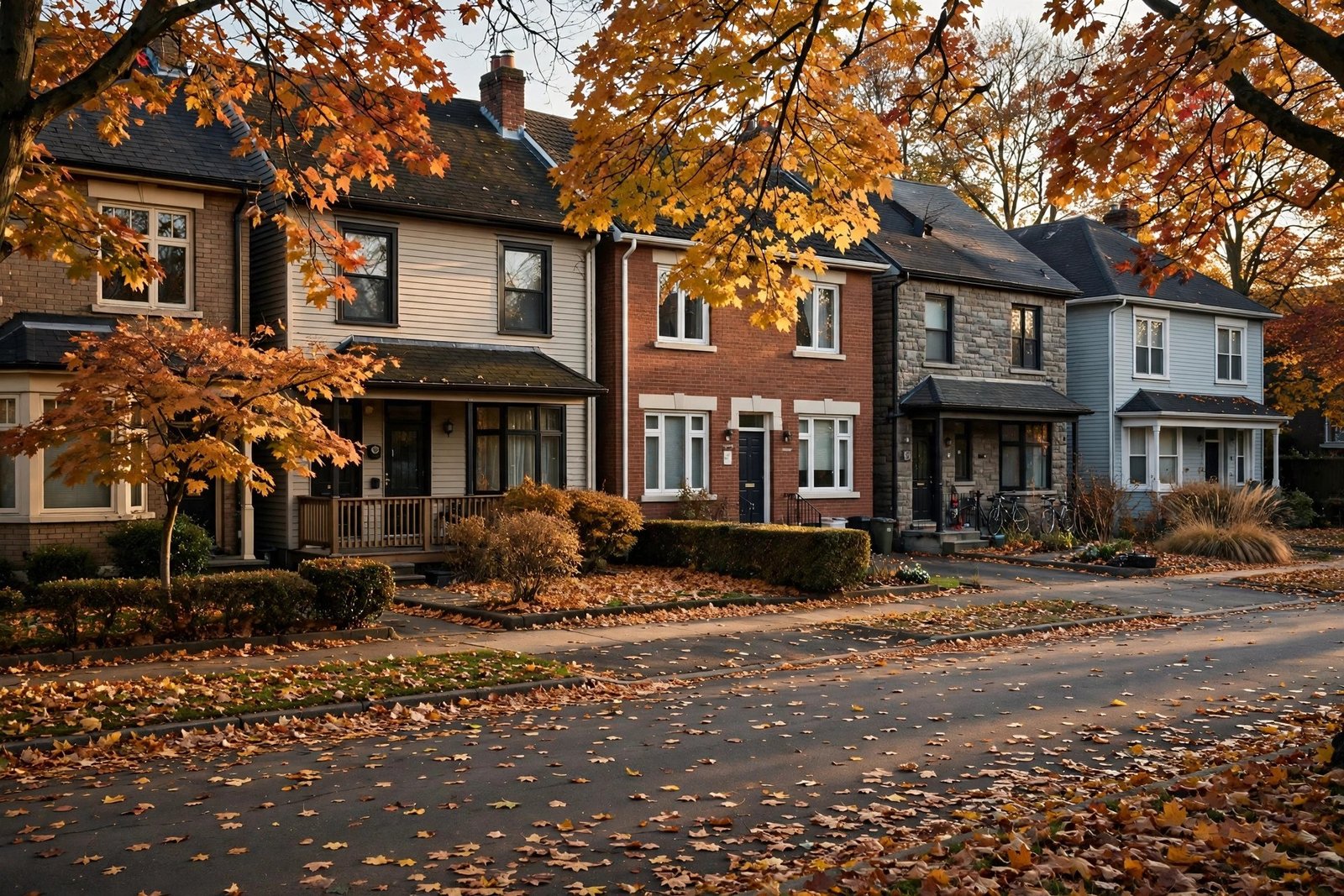
Autumn and winter bring the fewest listings of the year, and honesty requires that drawback to be stated first. The shelf is thin. Weeks can pass with nothing new that fits, and buyers set on a particular street or style may find the season offers patience tests rather than homes. Gardens look tired, light fades early, and viewings happen in the gloom, which makes judgement harder and demands care: a home should be seen in daylight at least once, and damp, heating, and roof condition deserve close attention when the weather is doing its worst.
Against that thin shelf stand real advantages. Negotiation grows calmer. Homes tend to stay on the market longer, bidding wars fade, and sellers who list out of season often list because a move is necessary: a new job, a family change, a home already bought elsewhere, or a sale that fell through earlier in the year. Such sellers value certainty and a clean, reliable offer, and a buyer who can proceed without a long chain or endless conditions may be welcomed even at a figure a spring seller would have refused. Slower deals also mean slower, more careful professional work around the purchase. Lending runs through every month of the year, and a clear grasp of how a mortgage is structured matters as much in the quiet months as in the rush, when lenders, valuers, and conveyancers have more room to give each file proper attention. Applications can be read rather than skimmed, questions get answered, and small problems surface early instead of at the point of crisis. None of this guarantees a lower price, and no season should be sold as a promise. What the cold months offer is space: space to think, space to negotiate, and space to walk away, which is the strongest position any buyer can hold.
The verdict: match the season to your goal
The verdict follows from the goal named at the start. Choice-maximisers should buy in spring and expect to pay for the privilege, in money, in speed, and in stress, because the widest shelf and the sharpest elbows arrive together and cannot be separated. Their preparation must be done early, their ceiling fixed in advance, and their peace made with the possibility of losing a home or two before winning one. Bargain-hunters should look hard at autumn and winter and accept the thin shelf as the cost of calmer dealing, longer thinking time, and sellers who may need a reliable buyer more than a record price. Their virtue is patience, and their danger is waiting forever for a perfect home that the quiet season simply never lists. Buyers in summer sit between those poles, with a fair choice, a fair pace, and leftovers from spring that reward a fresh, unprejudiced look.
Beyond the seasons sit the facts that outweigh any calendar. Personal readiness matters more than the month: a deposit in place, borrowing understood, a job settled, and a life ready for the move itself. The right house matters more than the season too, because a home bought well is lived in for years, long after the memory of the bidding fades. The genuinely best month to buy is the one where your finances and the right house meet, with enough calm to check the home properly and enough readiness to act without delay. Seasons tilt the odds. Preparation, honesty about the goal, and a clear ceiling decide the outcome.