
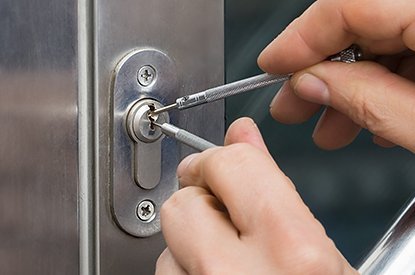
Locksmiths charge $75 to $150 for a typical service call in 2026, with most common jobs landing in that range. A house lockout costs $75 to $150, a car lockout $75 to $125, rekeying runs $20 to $50 per lock plus the service fee, and installing a new deadbolt costs $100 to $200. Emergency or after-hours calls add $50 to $100 or more on top of standard rates.
Locksmith pricing confuses people because it has two parts: the service call fee (the cost of getting the locksmith to your door) and the labor or per-lock charge for the actual work. Quotes that sound suspiciously cheap — the classic “$19 service call” ad — almost always balloon once the technician arrives. Understanding the real price structure is the difference between a fair $120 lockout and a $400 surprise.
Average Locksmith Prices in 2026
These are typical national ranges for standard residential and automotive work during normal business hours:
Lockout Services
House lockout: $75 to $150. Car lockout: $75 to $125. Safe lockout: $150 to $300+, depending on the safe type. Lockouts are the most common calls and the most price-sensitive — this is also where scam operators concentrate, so the price section below on avoiding scams matters.
Rekeying Locks
Rekeying — changing a lock’s internal pins so old keys stop working — costs $20 to $50 per lock cylinder, plus the $75 to $100 service call fee. Rekeying a whole house with 4 to 6 locks typically totals $150 to $300. It is far cheaper than replacing locks and is the right move after moving into a new home, losing keys, or a roommate moving out.
Lock Installation and Replacement
Installing a new deadbolt: $100 to $200 including basic hardware; high-security or smart locks: $200 to $400+ installed. Full lock replacement (new hardware plus labor) runs $80 to $200 per door. Smart lock installation, including setup and app configuration, typically costs $150 to $300.
Car Key Services
Basic key duplication: $5 to $25. Transponder key cutting and programming: $100 to $250. Key fob replacement and programming: $150 to $400 depending on the vehicle — luxury brands cost more. This is usually 30 to 50 percent cheaper than the dealership for the same key.
What Makes the Price Go Up
Time of day is the biggest factor: nights, weekends, and holidays typically add $50 to $100 in emergency fees, and a 2 a.m. lockout can cost double the daytime rate. High-security locks (Medeco, Mul-T-Lock) cost more to service because they require specialized tools and training. Your location matters too — dense metro areas run 20 to 30 percent above rural rates, and some locksmiths add trip charges beyond a certain radius. The complexity of the job is the final variable: drilling out a broken lock or extracting a snapped key adds labor time.
Emergency Locksmith Pricing
Expect to pay $150 to $250 for an after-hours emergency call, versus $75 to $150 for the same job during business hours. Legitimate locksmiths will quote the emergency rate upfront when you call — if the dispatcher cannot or will not give you a total price range before dispatching, call someone else. True 24/7 operators answer with a business name, give an estimated arrival time (usually 20 to 45 minutes), and confirm the price structure on the phone.
How to Avoid Locksmith Scams
Locksmith scams follow a predictable script: a suspiciously low phone quote ($15 to $40), an unmarked vehicle, no company identification, and a final bill of $300 to $800 with vague “labor” and “security” surcharges — sometimes accompanied by threats or drilled locks that didn’t need drilling. Protect yourself with four steps: first, get a firm total price range on the phone before they dispatch. Second, check for a real local business — a physical address, reviews, and a license number where your state requires licensing (about 15 states license locksmiths). Third, ask for ID and a written invoice when the technician arrives. Fourth, never let anyone drill your lock as a first resort — a competent locksmith can pick or bypass the vast majority of residential locks without damage. The Federal Trade Commission’s consumer advice pages document these scam patterns in detail.
Ways to Pay Less
Rekey instead of replacing whenever the hardware is in good condition — it is the single biggest saving in locksmith work. Buy your own hardware (a $40 deadbolt from a hardware store plus $75 installation beats a $180 all-in quote). Handle simple jobs in bulk: having all locks rekeyed in one visit spreads one service fee across many locks. And for cars, always call a locksmith before the dealership for key replacement. If you are handy and security-conscious, learning basic home maintenance pays off across trades — see how many outlets go on a 20-amp circuit for electrical basics, and if you ever need bigger home work done, check how contractors get licensed to understand who is qualified. Trade skills like these also offer career paths of their own — becoming a plumber follows a similar apprenticeship model.
For industry wage and employment context, the BLS locksmith occupational outlook is the authoritative source. Prices are national averages — always get a written quote for your specific job.
Frequently Asked Questions
How much does a locksmith cost for a house lockout?
Typically $75 to $150 during normal hours and $150 to $250 after hours. Get the total price confirmed on the phone before the technician is dispatched.
Is it cheaper to rekey or replace locks?
Rekeying is almost always cheaper: $20 to $50 per lock versus $80 to $200 per door for full replacement. Replace only when the hardware is worn, damaged, or you want to upgrade to smart or high-security locks.
Do locksmiths need a license?
It depends on the state — roughly 15 states require locksmith licensing, while others have no specific requirement. Even where unlicensed, legitimate locksmiths carry business licenses, insurance, and professional certifications like those from the Associated Locksmiths of America (ALOA).
Why do locksmiths charge so much at night?
After-hours calls require on-call staffing and disrupt normal scheduling, so the $50 to $100 emergency surcharge reflects real costs. The surcharge should be disclosed upfront — it is the undisclosed, invented fees at 2 a.m. that signal a scam.