
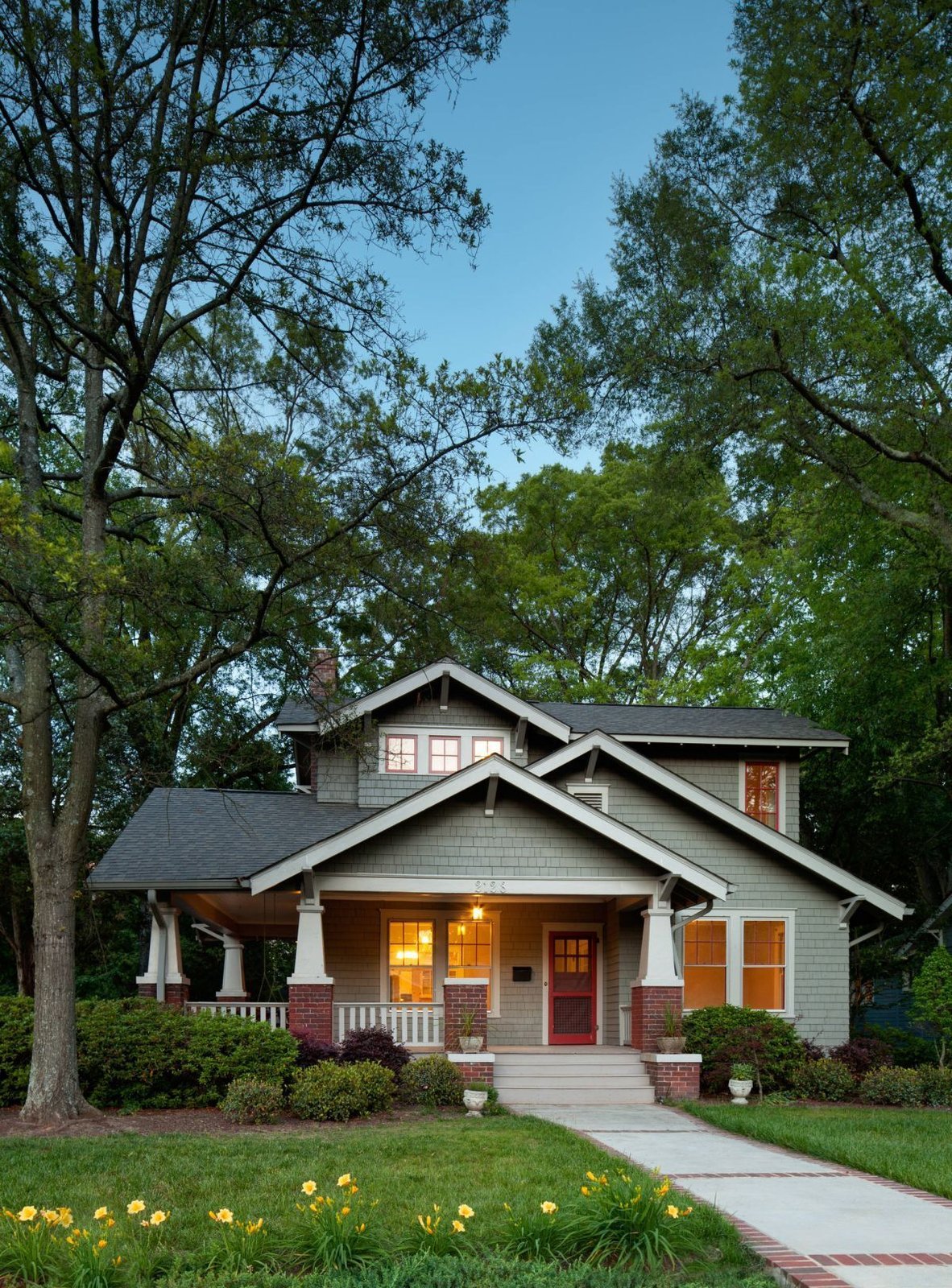
Older homes have soul — the moldings, the hardwood, the craftsmanship you can’t buy new. They also have knob-and-tube wiring, galvanized pipes, and foundations with opinions. I love old houses, but I love them with eyes open.
This is the checklist I wish every buyer of a pre-1970s home would read before falling in love with the crown molding. Some of these are deal-breakers; most are negotiation leverage.
What Should I Check Before Buying an Older Home? The Big Five
Foundation and structure come first — everything else is cosmetic if the house is moving. Look for horizontal cracks (pressure from outside soil — serious), stair-step cracks in brick (settlement), doors that won’t close, and sloping floors. A structural engineer’s inspection ($300-$500) is worth every penny if anything looks off; foundation repairs run $5,000-$30,000+.
Electrical: many pre-1960 homes have knob-and-tube or aluminum wiring, and pre-1978 panels may be undersized or unsafe brands (Federal Pacific and Zinsco panels are fire risks). Check the panel’s amperage — 60-amp service is inadequate for modern life; 100-amp minimum, 200 preferred. Full rewiring costs $8,000-$15,000. If the inspector finds K&T, get an electrician’s quote before proceeding.
Plumbing: galvanized steel pipes (pre-1960s) corrode from the inside, restricting flow and eventually leaking — replacement runs $4,000-$10,000. Cast-iron drain lines crack with age. Ask the inspector to check water pressure at multiple fixtures simultaneously; weak flow when two taps run screams galvanized pipes. Sewer line scope ($200-$300) is the smartest optional inspection — a collapsed sewer line is a $5,000-$15,000 surprise.
Roof, Water, and the Envelope
Roof age determines your near-term budget more than almost anything. Asphalt shingles last 20-25 years; ask for the roof’s age in writing. A replacement runs $8,000-$15,000+ (see our roof cost breakdown). Look for curling shingles, missing granules in gutters, and ceiling stains inside — then get a roofer’s opinion, not just the general inspector’s.
Water is the enemy of old houses. Check the basement for efflorescence (white mineral stains — water seeping through), musty smells, and sump pumps. Walk the exterior grading — soil should slope away from the foundation. Gutters should be intact with downspouts discharging 6+ feet from the house. Chronic water issues cause mold, rot, and foundation damage; they’re manageable if priced in, devastating if discovered later.
Windows, insulation, and energy: old houses often have single-pane windows, zero wall insulation, and ancient HVAC. That’s not a deal-breaker — it’s a budget line. Factor energy-efficient upgrades into your offer price. An energy audit ($200-$400, sometimes subsidized) quantifies exactly what you’re facing.
The Hidden Gotchas
Lead paint (pre-1978) and asbestos (pre-1980s insulation, tiles, siding) are common and manageable — but remediation costs real money if disturbed. Don’t let a seller’s ‘we never tested’ reassure you; assume presence in homes of that era and price accordingly. Encapsulation is often cheaper than removal.
Check for unpermitted work. That finished basement, added bathroom, or deck might have been built without permits — which becomes your problem at resale or with insurance. Ask the seller directly, check with the city’s permit office, and look for telltale signs (no GFCI in a ‘new’ bathroom, odd framing). Unpermitted additions can complicate financing and insurance.
Finally, investigate the neighborhood’s trajectory, not just the house. Old homes in improving areas are investments; old homes in declining areas are money pits. Walk the block at different times, check crime stats, look at what’s being renovated nearby. The house is half the purchase — the street is the other half. The InterNACHI inspection standards show what a thorough inspection should cover.
- Foundation cracks (horizontal = serious), sloping floors
- Electrical: K&T/aluminum wiring, panel brand + amperage
- Plumbing: galvanized pipes, cast iron drains, sewer scope
- Roof age in writing; water intrusion signs everywhere
- Lead/asbestos assumptions for pre-1978/1980 homes
- Unpermitted additions — check with the city permit office
Using Findings as Leverage
Every issue found is either a walk-away signal or a negotiation tool — there’s rarely a middle ground where you just accept it. Get contractor quotes for major issues during the inspection period, then present the seller with numbers: repair credit, price reduction, or seller-completed repairs. Credits beat seller repairs (you control the quality).
Prioritize safety and structure over cosmetics. Bad wiring and foundation issues are non-negotiable; dated kitchens are opportunities. I’ve seen buyers walk over ugly carpet while accepting a failing sewer line — exactly backwards. Rank findings by cost and risk, not by how they photograph.
And build a 5-year budget before you buy. Old houses need systems replaced on schedules: roof, HVAC, water heater, appliances. Knowing the next decade of capital expenses turns surprises into plans — and lets you offer with total confidence. An old house bought right, with eyes open, is one of life’s great joys. Bought blind, it’s one of life’s great regrets.
The Inspection Day Playbook
Be there for the inspection — all of it. A good inspector narrates as they go, and you’ll learn more about your potential home in 3 hours than in 30 showings. Bring a notebook, ask questions, and don’t be embarrassed by basic ones — inspectors would rather explain than have you misunderstand. The inspection is also your best education in homeownership generally, even beyond this purchase.
Read the full report, not just the summary. The summary highlights the scary stuff; the body contains the maintenance roadmap — the aging water heater, the furnace with 5 years left, the grading issue to watch. This becomes your 5-year maintenance plan if you buy. Highlight everything, then get contractor quotes for the big items during your inspection contingency period.
Attend with your agent but think independently. Agents want the deal to close; you want the truth. If the inspector flags something major, get the specialist inspection (structural engineer, electrician, roofer, sewer scope) before your contingency expires — the $300 specialist visit that saves you $15,000 is the best money in real estate. Never waive the inspection on an older home to ‘win’ a bidding war — that’s how you win the house and lose your savings.
Love the Charm, Respect the Systems
Check foundation, electrical, plumbing (with a sewer scope), roof age, and water management before you fall for the moldings. Price every issue into your offer, prioritize structure and safety over cosmetics, and build a 5-year capital budget. Do that homework and an older home becomes a characterful investment instead of a charming money pit.