Distance and consistency leak away through small, ordinary faults that most golfers have never had pointed out. The encouraging part is that ordinary faults usually have ordinary fixes, and those fixes can be tested calmly on the practice ground rather than guessed at during a round. Take only a simple range kit: a few balls, a spare glove in case the hands grow damp, and two tees that can be set in the ground as a small gate for strike practice. No special purchase is needed to begin, and no new club will repair a grip or an aim that is quietly sending every shot in the wrong direction.
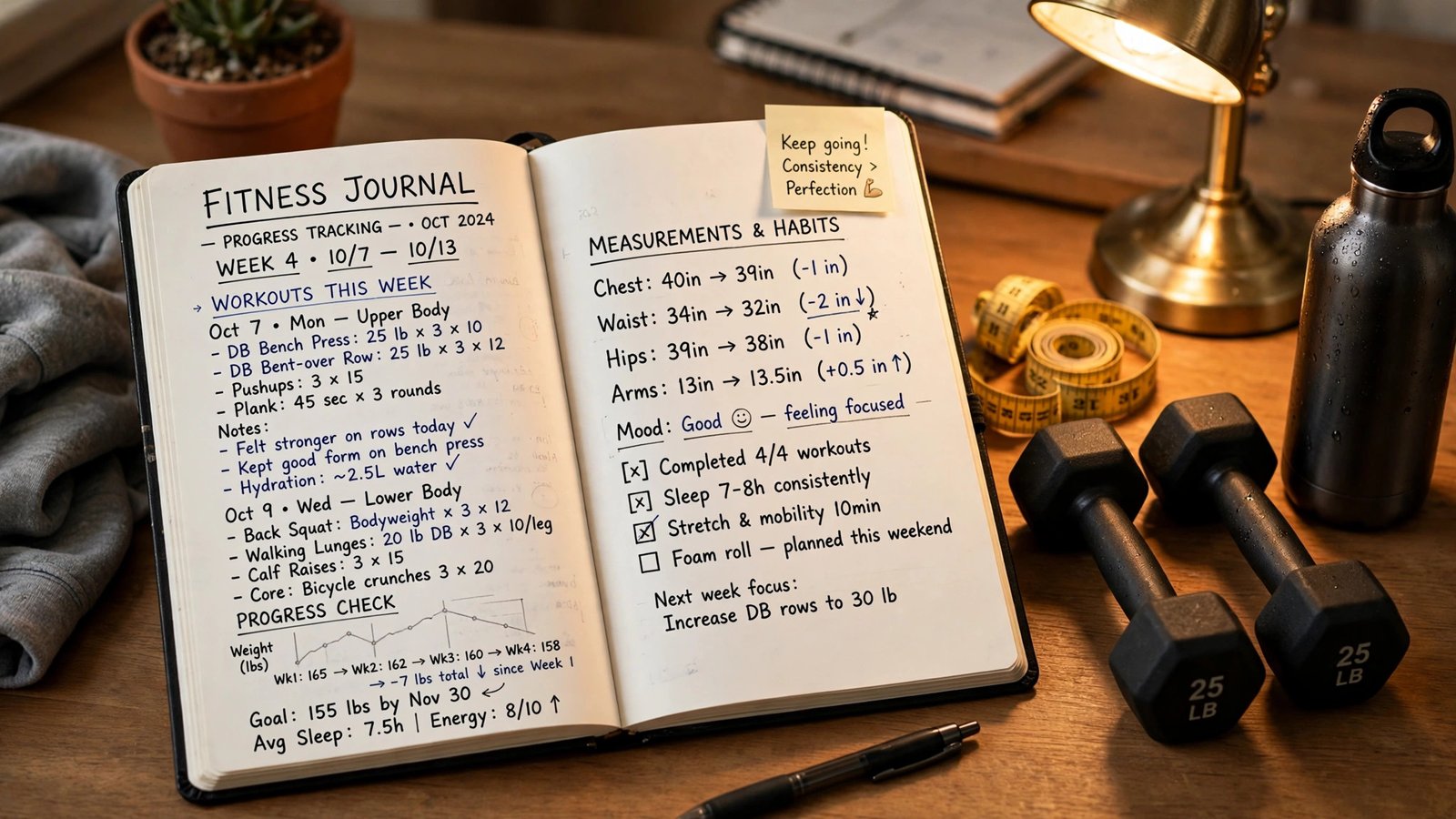
Work through the fixes one at a time, giving each check a small bucket of balls before moving on, so the feel of one change is not buried under the next. Two of the seven fixes are physical rather than technical, because a stiff turn and tight hips will limit even a well understood swing. That is why the benefits of stretching for just ten minutes a day matter as a mobility foundation: a body that can turn and settle into posture comfortably makes the technical work far easier to repeat. Patience between fixes matters as much as the fixes themselves.
Fix One: Set a neutral grip before chasing anything else. Place the lead hand so that two to three knuckles are visible when looking down in address, with the thumb resting just to the trail side of centre, then match the trail hand so the palms face each other and work as one unit. Keep grip pressure light, around four out of ten, firm enough to control the club but soft enough to let the wrists hinge and release naturally. A grip that is too strong, too weak or too tight quietly twists the clubface and tightens the forearms, so small errors at the hands become large errors at impact. Practise the grip away from the ball as well, picking the club up, setting the hands and checking the knuckles until the hold feels familiar without looking down for long.
Fix Two: Build an athletic posture and place the ball to suit the club. Stand tall, hinge from the hips until the arms hang naturally, soften the knees and feel weight balanced through the middle of the feet rather than perched on the toes or sunk into the heels. The spine should feel long and ready to move, not rounded or rigid. Ball position then moves with club length: nearer the middle for shorter irons, gradually further forward as the club grows longer, so the low point of the swing meets the ball in the right place. Recheck posture whenever contact grows thin or heavy. A simple mirror or a shadow on the range can confirm the hinge and balance, and the stance should feel springy enough to turn in either direction without wobbling or reaching.
Fix Three: Align feet, hips and shoulders parallel to the target line. Many golfers aim the feet at the target and the shoulders across it, then wonder why the swing follows the shoulders and pulls or slices the ball away. Lay a club down on the ground as a rail just outside the ball, pointing at the target, and set your feet parallel to that rail rather than pointing at the flag itself. Pick a small spot just ahead of the ball on the intended line and align the clubface to that spot first, then build the stance around it. Calm, repeatable alignment removes a surprising amount of apparent swing trouble. Recheck the rail drill whenever a new shot shape appears, because alignment drifts gradually over weeks of play and often explains a fault that seems to have arrived from nowhere at all.
Fix Four: Start with a one-piece takeaway and keep the clubface square early. In the first part of the backswing, the hands, arms and chest move together as a single unit, with the clubhead staying low and outside the hands rather than being snatched inside by the wrists alone. The wrists should not roll the face open at the start, and the lead arm should stay connected to the turn of the body. A tidy first move sets the club on a workable plane and removes the need for frantic corrections later. Practise this opening motion slowly, stopping to check that the face still points sensibly and the body, not just the arms, has done the turning. If the start feels jerky, rehearse it in slow motion a few times, then blend it into a full swing without pausing, so the tidy opening becomes a habit rather than a pose.
Fix Five: Restore tempo and encourage a healthier path. A reliable rhythm is roughly three to one, in the sense that the backswing takes about three times as long as the downswing, which gives the body time to turn fully before the transition begins. Rushing from the top throws the club outward and across the ball, while a smoother change of direction helps the club fall slightly from the inside, producing the in-to-out feel that supports a straighter flight or a gentle draw. Setting two tees as a narrow gate just beyond the ball can reward a path that travels outward through impact. For a fuller picture of how these parts combine, the mechanics of the golf swing shows why tempo, plane and face control cannot really be separated. If tempo collapses, shorten the swing for a few balls until rhythm returns, rather than swinging harder. Counting quietly in your head during practice can steady the ratio, and the downswing should feel like a response to a completed turn, never a lunge begun before the backswing has finished.
Fix Six: Train contact with low-point control drills. Good iron play strikes the ball first and takes a shallow divot after the ball, which means the lowest point of the swing sits just beyond impact rather than behind it. Shift weight toward the lead side through the downswing, keep the hands slightly ahead at contact and let the body continue turning instead of scooping at the ball with the wrists. The tee-gate drill helps here: place tees in a small gate around the intended strike zone and practise clipping the ball cleanly through it without disturbing the tees more than necessary. Begin with shorter swings, build speed only when clean contact repeats, and note where the divot starts — that mark tells the truth more honestly than ball flight alone on a windy range. Clean contact has a sound and a feel that are easy to recognise once heard, a crisp click and a ball that jumps rather than floats, and chasing that feel is a better guide than chasing distance.
Fix Seven: Use a short-game distance ladder to sharpen scoring touch. Work through partial wedges at quarter, half and three-quarter swings, learning how far each controlled length carries the ball and how it lands, then practise choosing a landing spot and letting the ball release from there rather than trying to fly every shot all the way to the hole. This ladder builds judgement that full swings cannot teach, because touch comes from linking a felt swing length to a seen result. It also reflects the shape of the game itself: a large share of strokes happen near the hole, where calm distance control saves more shots than extra power ever will, as a look at golf and how the game is structured makes clear when the demands of a full round are considered. Keep the ladder simple, rotate targets often and finish each session by repeating the half swing until its carry feels known by heart. Vary the target after a few successful attempts rather than repeating one comfortable shot endlessly, because the course asks for a fresh judgement on every approach and touch must transfer to new distances.
The fixes stack best in order, because each one supports the next. Grip comes before path, since a twisted face will defeat even a smooth route into the ball, and alignment comes before tempo, since fine rhythm aimed in the wrong direction still misses. Posture and mobility underpin everything, while contact drills reveal whether the earlier work is holding together under speed. When a session goes poorly, return to the earliest fix that feels uncertain rather than inventing a new correction at the end of the chain. A short written note after practice — which fix was tested, what felt different and what the ball did — keeps the next session from starting again at guesswork.
A steady practice plan in words is better than an occasional marathon. Visit the range little and often, begin each visit with posture and alignment checks, spend the middle on a single fix, and close with the wedge ladder and a few full swings at easy tempo. Once a week, take the same checks to the course in a relaxed round or a few practice holes, noticing whether the new habits survive real lies and real targets. Improvement in golf rarely arrives as one sudden leap. It arrives as cleaner contact, fewer wild misses and a swing that feels quieter to repeat, built one checked fault at a time.
Above all, keep the standard for a good practice session modest and honest. A session counts as useful when one fault is clearer at the end than at the start, when a few swings have been struck with the new feel, and when the next visit has a clear starting point. Chasing every fix at once scatters attention and leaves nothing settled. Working calmly through grip, posture, alignment, start, tempo, contact and touch, in that order and over several visits, gives each improvement time to become ordinary — and ordinary, repeatable swings are what lower scores are actually built on, round after round.