
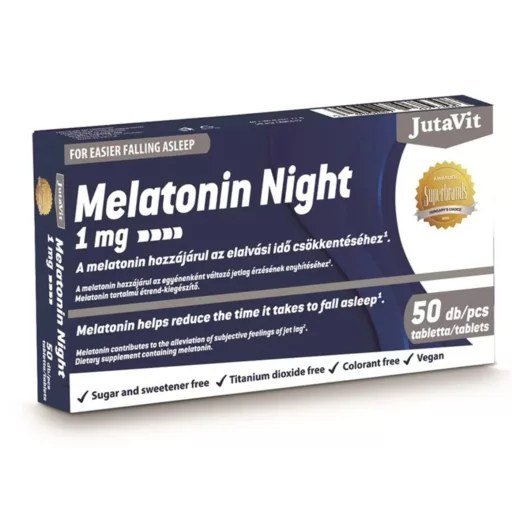
Nobody talks about is it safe to take melatonin every night at dinner parties, but nearly everybody wonders about it privately. It’s one of those topics where embarrassment keeps people from asking their doctor, so they turn to the internet instead — and land in a swamp of ads disguised as advice. I get it. That’s why I wanted to write the straightforward guide I couldn’t find: plain language, no judgment, no upsell. Whether you’re just curious or genuinely worried, you’ll leave this page knowing exactly where you stand and what to do next.
It’s worth saying up front: you don’t need to fix everything at once. The all-or-nothing mindset is the number one reason health efforts flame out by February. Pick one or two changes from this guide, nail those for a month, then layer in more. Slow progress that sticks will always beat a dramatic overhaul that collapses in two weeks. I’ve watched too many people burn out chasing the perfect routine when ‘good enough, done consistently’ would have gotten them further.
The Honest Answer to: Is it safe to take melatonin every night
The short answer is yes, it matters — but probably not in the dramatic way you’ve been led to believe. Most of the benefit comes from doing the basics consistently, not from optimizing every detail. Think of it like brushing your teeth: the magic isn’t in the brand of toothpaste, it’s in showing up twice a day for years. The same principle applies here. People who get lasting results are rarely the ones with the most elaborate plans; they’re the ones who found a simple approach they could repeat without thinking about it.
Let me also address the comparison trap, because it derails more people than any bad advice does. Someone on social media will always be doing it ‘better’ — stricter, faster, more photogenic. Ignore them. You’re not competing; you’re building a sustainable version for your life, your body, your schedule. The only comparison that matters is you last month versus you now. Keep your eyes on your own progress and you’ll go further than the people chasing someone else’s highlight reel.
If you want to go deeper, medically reviewed information on WebMD and evidence-based health articles at Healthline are both solid next stops — reputable sources worth bookmarking alongside this guide.
What the Research Actually Says
What surprises most people is how quickly the body responds once you give it what it’s been asking for. We’re talking weeks, not years, before energy, comfort, and resilience start trending in the right direction. Your body wants to feel good — it’s literally designed for it. Most of the time it’s just waiting for you to remove whatever’s been in the way. That reframe changed how I think about health efforts: you’re not forcing change, you’re getting out of your own way.
What Actually Works in Real Life
Let’s get concrete. These are the steps I’d hand to a friend, in roughly the order I’d suggest trying them:
- Revisit and adjust monthly. What’s working? What’s annoying? Tweak the plan based on your actual experience, not on what some influencer says you should be doing.
- Anchor the new habit to something you already do every day. After your morning coffee, before your shower, right when you get home — piggybacking on existing routines is the most reliable way to make something stick.
- Keep the long view. You’re building a pattern for years, not chasing a result for next week. Decisions get easier when you ask ‘can I keep this up for a year?’ instead of ‘will this work fast?’
- Prepare for the hard days in advance. Decide now what the minimum version looks like — the version you’ll do even when you’re tired, busy, or traveling. Having a ‘bad day’ plan is what separates people who quit from people who persist.
- Give it a real trial period: three to four weeks minimum before you judge. Your body needs time to adapt, and judging too early is the most common reason good plans get abandoned.
- Start with the lowest-hanging fruit: the one change you could make today without buying anything or rearranging your life. Early wins build momentum, and momentum is everything in the first two weeks.
Mistakes That Get in the Way
A brief warning about the usual pitfalls. Dodge these and you’re already ahead of the pack:
- Trusting dramatic before-and-after stories. Outliers, lighting, angles, and sometimes outright fiction. Compare yourself to your own past, not to someone’s highlight reel.
- Copying someone else’s exact routine. Your schedule, body, and preferences are different. Borrow ideas, but build your own version.
- Quitting at the first plateau. Progress isn’t linear — flat weeks are normal and usually precede the next jump. The plateau is where most people quit; it’s also where persistence pays off.
- Ignoring pain or warning signs. Discomfort that grows, sharp pain, symptoms that don’t fade — those are signals to see a professional, not to push through.
Quick Answers to Common Follow-Ups
What if I fall off the wagon for a week?
Then you’re human, and it barely matters. One off week in a year of consistency is a rounding error. What matters is the resume speed: get back to it the next day, not ‘next Monday.’ The all-or-nothing mindset turns a small slip into a full quit — don’t let it. Just pick up where you left off.
How long before I notice a difference?
For most people, subtle shifts show up in two to three weeks — better energy, easier days, small wins that add up. Noticeable, comment-worthy change usually takes six to eight weeks of steady effort. If you’ve been consistent for two months with zero improvement, that’s useful information: either the approach needs adjusting or it’s worth checking in with a professional.
Can I combine this with other health goals?
Yes, and you should — but sequence them. Get the first change stable for a few weeks before adding the next. Stacking too many new habits at once is the fastest route to dropping all of them. Think of it as building a foundation: one solid layer at a time.
The Bottom Line
If you take one thing from this guide, let it be this: is it safe to take melatonin every night rewards the steady, not the spectacular. Forget perfection, ignore the hype, and focus on the simple version you can repeat for months. Track a little, adjust as needed, and don’t quit during the flat weeks. The people who get results aren’t special — they’re just consistent. Start small, stay honest with yourself, and let time do the heavy lifting.
Keep exploring on SnapNews24: How do I Build a Simple Morning Routine for Better Energy and What are the Best Foods for Healthy Skin from the Inside and What are the Warning Signs of Dehydration I Might Miss.