
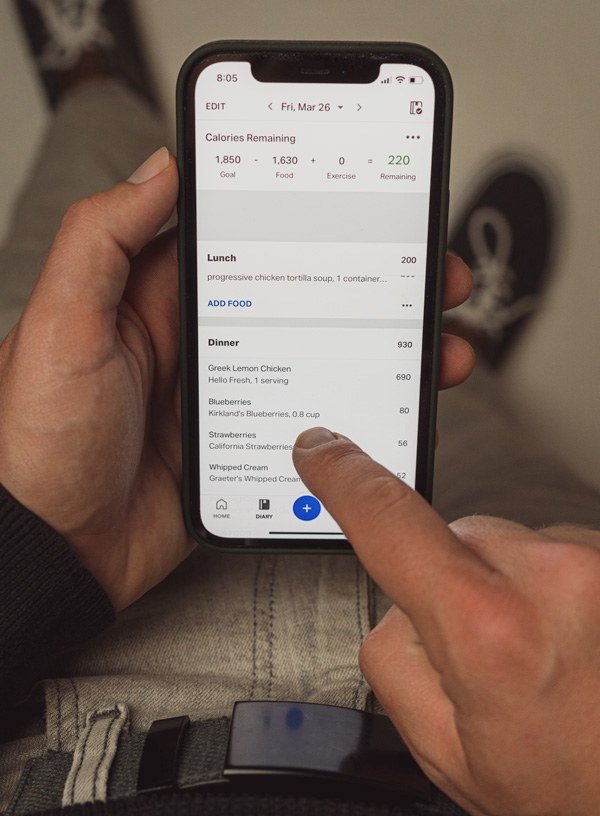
Let me guess why you’re here: what is the best way to track calories without getting obsessed popped into your head, maybe late at night, maybe after a conversation that left you second-guessing yourself. You’re not alone — it’s one of the most common health questions people type into Google, and the search results are a mess of conflicting advice. I’ve sorted through the noise so you don’t have to. What follows is the practical version: the stuff that’s actually supported by evidence, the stuff that’s mostly marketing, and a realistic plan you can start this week without overhauling your entire routine.
Context matters here, so here’s mine: I’m not your doctor, and this isn’t medical advice for your specific situation. It’s well-researched general guidance meant to help you ask better questions and make smarter everyday choices. If something feels seriously wrong — sharp pain, symptoms that don’t quit, anything that scares you — talk to a real clinician. For everything else, the practical strategies below are a genuinely good place to start.
The Honest Answer to: What is the best way to track calories without getting obsessed
Let me cut through the noise: you don’t need a specialist, a subscription, or a shelf of products to handle this well. What you need is accurate information (you’re getting that here), a plan that fits your schedule (we’ll build one), and a way to track whether it’s working (simpler than you think). Most people overcomplicate the first two and skip the third entirely. Don’t be most people. A simple note on your phone — how you feel, what you did — beats any fancy tracking app.
It’s also worth knowing when to get professional input. If you’ve given an honest effort for a month or two and nothing’s budging — or if symptoms are getting worse instead of better — that’s your cue to loop in a clinician. There’s no prize for toughing it out alone, and sometimes there’s an underlying issue that habits alone can’t fix. Think of it this way: doing the basics well makes any doctor’s visit ten times more productive, because you’ve already ruled out the obvious stuff.
If you want to go deeper, sleep guidance from the Sleep Foundation and evidence-based health articles at Healthline are both solid next stops — reputable sources worth bookmarking alongside this guide.
The Bigger Picture Most People Miss
Zoom out for a second and think about the next ten years, not the next ten days. The habits you build around this now are the ones your future self inherits — for better or worse. Nobody regrets starting too early; plenty of people regret starting too late. I’m not trying to scare you, just to reframe the timeline. A modest effort sustained over years beats heroic effort sustained over weeks, every single time. Future you is counting on present you to start boring and stay consistent.
What Actually Works in Real Life
Here’s the practical playbook. None of this requires special equipment or a lifestyle overhaul — just honest effort applied consistently:
- Sleep on it — literally. Almost every health effort works better when sleep is decent. If your sleep is a mess, that’s often the highest-leverage fix available, and it amplifies everything else you do.
- Track it simply for the first month. A checkmark on a calendar, a quick note in your phone — the method doesn’t matter. What matters is the honest feedback loop, because you can’t improve what you don’t notice.
- Fix your environment before you test your willpower. Make the good choice easy and the bad choice annoying. Willpower is a finite resource; good design isn’t.
- Revisit and adjust monthly. What’s working? What’s annoying? Tweak the plan based on your actual experience, not on what some influencer says you should be doing.
- Start with the lowest-hanging fruit: the one change you could make today without buying anything or rearranging your life. Early wins build momentum, and momentum is everything in the first two weeks.
Mistakes That Get in the Way
Before you start, save yourself some pain. Here are the mistakes that derail most people:
- Ignoring pain or warning signs. Discomfort that grows, sharp pain, symptoms that don’t fade — those are signals to see a professional, not to push through.
- Trying to change everything at once. The all-or-nothing sprint feels productive for about six days, then collapses. Pick one battle at a time.
- Copying someone else’s exact routine. Your schedule, body, and preferences are different. Borrow ideas, but build your own version.
- Quitting at the first plateau. Progress isn’t linear — flat weeks are normal and usually precede the next jump. The plateau is where most people quit; it’s also where persistence pays off.
Quick Answers to Common Follow-Ups
How long before I notice a difference?
For most people, subtle shifts show up in two to three weeks — better energy, easier days, small wins that add up. Noticeable, comment-worthy change usually takes six to eight weeks of steady effort. If you’ve been consistent for two months with zero improvement, that’s useful information: either the approach needs adjusting or it’s worth checking in with a professional.
Is this safe to try on my own?
The general strategies here are safe for most healthy adults, but ‘most’ isn’t ‘everyone.’ If you have a medical condition, take medication, are pregnant, or something just feels off, check with your clinician first. That’s not me being cautious for legal reasons — it’s genuinely the smart move.
Do I need any special equipment or products?
Almost certainly not, at least to start. The fundamentals here cost little or nothing — that’s one of the best-kept secrets in health. Fancy gear can be fun later, but it should never be the gatekeeper. Master the free basics first; add tools only if they solve a specific problem you’ve actually encountered.
The Bottom Line
The practical takeaway is refreshingly simple: what is the best way to track calories without getting obsessed comes down to a few fundamentals done consistently over time. You don’t need the perfect plan, the expensive gear, or anyone’s approval — you need a start date and the willingness to keep going when it’s boring. Begin this week, keep it simple, and check back in a month. I think you’ll be pleasantly surprised at how far the basics can take you.
Keep exploring on SnapNews24: How do I Deal with Seasonal Allergies without Drowsy Medicine and Why do I Feel Dizzy when I Stand up too Fast and Why do I Wake up with a Dry Mouth Every Morning.